Buy inning.eu ?
We are moving the project
inning.eu .
Are you interested in purchasing the domain
inning.eu ?
domain@kv-gmbh.de · 0541-91531010
Buy inning.eu ?
What do you need to consider and do in the basic organic chemistry lab course?
In a basic organic chemistry lab course, students need to consider safety precautions, such as wearing appropriate personal protective equipment and following proper handling and disposal procedures for chemicals. They also need to familiarize themselves with the equipment and techniques used in organic chemistry experiments, such as distillation, extraction, and chromatography. Additionally, students should pay close attention to the instructions and procedures provided in the lab manual, as well as accurately record their observations and data in their lab notebooks. Finally, they should be mindful of the environmental impact of the chemicals and waste generated in the lab and follow sustainable practices. **
Peppermint or chamomile?
It ultimately depends on personal preference and what you are looking to achieve. Peppermint is known for its invigorating and refreshing properties, making it a great choice for boosting energy and improving focus. On the other hand, chamomile is known for its calming and soothing effects, making it a good option for promoting relaxation and better sleep. Both have their own unique benefits, so it's best to choose based on your specific needs at the moment. **

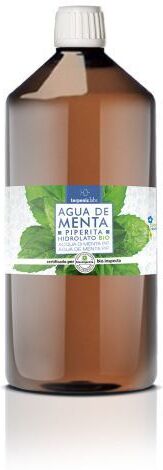
Similar search terms for Terpenic-Lab-Organic-Peppermint
Top-Angebote
Products related to Terpenic-Lab-Organic-Peppermint:
-
Terpenic Lab Peppermint Hydrolate 100 mlHealth and Beauty Facial Cleansing Terpenic Lab Peppermint Hydrolate 100 ml This plant has been used since ancient times to relieve digestive problems and as a tonic for all body functions (cutaneous, venous and digestive). Properties: Astringent, digestive, antispasmodic, pain reliever, purifies and tones all skin types, soothes redness, burns and minor cuts, itching and irritation. Directions: - It can be used as an astringent, anti-acne lotion, aftershave, after sunbathing, or for excessive perspiration (spray or apply on a cotton ball and apply to the affected area). It is also recommended for headaches, skin itching, hives, eczema, insect bites, nausea, and hot flashes. Oral use: - Digestive tonic. - Bad breath. Organic hydrolate for cosmetic use, 100% pure without additives.9,12 £*Shipping: 3,99 £Secure redirect to the provider
-
Terpenic Lab Peppermint Hydrolate 500 mlHealth and Beauty Facial Cleansing Terpenic Lab Peppermint Hydrolate 500 ml This plant has been used since ancient times to relieve digestive problems and as a tonic for all body functions (cutaneous, venous and digestive). Properties: Astringent, digestive, antispasmodic, pain reliever, purifies and tones all skin types, soothes redness, burns and minor cuts, itching and irritation. Directions: - It can be used as an astringent, anti-acne lotion, aftershave, after sunbathing, or for excessive perspiration (spray or apply on a cotton ball and apply to the affected area). It is also recommended for headaches, skin itching, hives, eczema, insect bites, nausea, and hot flashes. Oral use: - Digestive tonic. - Bad breath. Organic hydrolate for cosmetic use, 100% pure without additives.13,06 £*Shipping: 3,99 £Secure redirect to the provider
-
Terpenic Lab Peppermint Essential Oil 10 mlNutrition and Supplements Natural Extracts Terpenic Lab Peppermint Essential Oil 10 ml Terpenic peppermint essential oil is an adjuvant in the treatment of the digestive tract, as well as analgesic, psychological, and anti-inflammatory. Peppermint is a chemotype oil with respiratory decongestant properties and is 100% pure.7,43 £*Shipping: 3,99 £Secure redirect to the provider
-
Terpenic Lab Peppermint Bio 30 ml 30 mlNutrition and Supplements Natural Extracts Terpenic Lab Peppermint Bio 30 ml 30 ml Properties: Soothing Anti-inflammatory Healing Mucolytic Digestive tonic It is a perennial herb that belongs to the Lamiaceae family. It is of European origin and can measure 60 cm high or even more and up to 1 m wide. The leaves are lanceolate and very aromatic and the flowers, white, pink or lilac, are presented in inflorescences. It should not be confused with peppermint, despite belonging to the same genus (Mentha) they are different botanical species, and although both help us in cases of slow digestion, their composition is different. The essential oil is obtained by steam distillation of the entire plant. - Indications: Heavy digestions, Biliary insufficiency, Bronchitis, Colds, Cystitis, Nervousness - Aromatic Family: Herbal. - Combines with: Grapefruit, Tunisian Rosemary, Carrasqueño Thyme. - Precautions: Do not use during pregnancy, lactation or in children under 6 years of age. Do not use for long periods.17,87 £*Shipping: 3,99 £Secure redirect to the provider

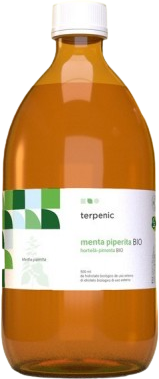


-
What is peppermint?
Peppermint is a hybrid plant that is a cross between watermint and spearmint. It is known for its strong, refreshing aroma and flavor, and is commonly used in culinary and medicinal applications. Peppermint leaves are often used to make tea, and the essential oil extracted from the plant is used in aromatherapy and as a flavoring agent in various products. Peppermint is also known for its cooling and soothing properties, and is often used to alleviate symptoms such as indigestion, headaches, and muscle pain. **
-
What is peppermint flavor?
Peppermint flavor is a refreshing and cooling taste that comes from the peppermint plant, a hybrid of watermint and spearmint. It is often described as having a combination of sweet, minty, and slightly spicy notes. Peppermint flavor is commonly used in a variety of products such as candies, gum, toothpaste, and tea due to its invigorating and palate-cleansing properties. **
-
Why is organic chemistry called organic chemistry?
Organic chemistry is called so because it was originally believed that compounds found in living organisms could only be produced by living organisms, and were therefore called "organic" compounds. This belief was later disproven, but the name stuck. Organic chemistry is the study of carbon-containing compounds, which are abundant in living organisms, and it focuses on the structure, properties, and reactions of these compounds. **
-
Does peppermint tea stain teeth?
Peppermint tea itself is not known to stain teeth. However, if the tea is consumed in large quantities or if it contains additives like sugar or artificial coloring, it could potentially contribute to teeth staining over time. It's always a good idea to practice good oral hygiene, including regular brushing and flossing, to help prevent staining regardless of the type of tea consumed. **
Can dogs eat peppermint candies?
No, dogs should not eat peppermint candies. Peppermint candies often contain high amounts of sugar, which can be harmful to dogs and lead to issues like obesity and dental problems. Additionally, some peppermint candies may also contain xylitol, a sweetener that is toxic to dogs and can cause a range of health issues, including low blood sugar and liver failure. It is best to avoid giving dogs any kind of candy or human food that is not specifically formulated for them. **
Why does peppermint taste cool?
Peppermint tastes cool because it contains a compound called menthol. Menthol activates the cold-sensitive TRPM8 receptors in our mouth, which send a signal to our brain that we are experiencing a cooling sensation. This is why peppermint is often used in products like gum, toothpaste, and candies to provide a refreshing and cooling effect. **
Top-Angebote
Products related to Terpenic-Lab-Organic-Peppermint:
-
Terpenic Lab Organic Peppermint Essential Oil 10 ml 10 mlNutrition and Supplements Natural Extracts Terpenic Lab Organic Peppermint Essential Oil 10 ml 10 ml Properties: Soothing, Anti-inflammatory, Healing, Mucolytic, Digestive tonic. It is a perennial herb belonging to the Lamiaceae family. It is native to Europe and can grow 60 cm tall or even more and up to 1 m wide. The leaves are lanceolate and highly aromatic, and the flowers, white, pink, or lilac, are borne in inflorescences. It should not be confused with peppermint; despite belonging to the same genus (Mentha), they are different botanical species. Although both help with slow digestion, their composition is distinct. The essential oil is obtained by steam distillation of the entire plant. Indications: Heavy digestion, Biliary insufficiency, Bronchitis, Colds, Cystitis, Nervousness - Aromatic Family: Herbal. - Combines with: Grapefruit, Tunisian Rosemary, Holly Thyme. Precautions: Do not use during pregnancy, breastfeeding, or in children under 6 years of age. Do not use for extended periods.9,05 £*Shipping: 3,99 £Secure redirect to the provider
-
Terpenic Lab Peppermint Hydrolate 100 mlHealth and Beauty Facial Cleansing Terpenic Lab Peppermint Hydrolate 100 ml This plant has been used since ancient times to relieve digestive problems and as a tonic for all body functions (cutaneous, venous and digestive). Properties: Astringent, digestive, antispasmodic, pain reliever, purifies and tones all skin types, soothes redness, burns and minor cuts, itching and irritation. Directions: - It can be used as an astringent, anti-acne lotion, aftershave, after sunbathing, or for excessive perspiration (spray or apply on a cotton ball and apply to the affected area). It is also recommended for headaches, skin itching, hives, eczema, insect bites, nausea, and hot flashes. Oral use: - Digestive tonic. - Bad breath. Organic hydrolate for cosmetic use, 100% pure without additives.9,12 £*Shipping: 3,99 £Secure redirect to the provider
-
Terpenic Lab Peppermint Hydrolate 500 mlHealth and Beauty Facial Cleansing Terpenic Lab Peppermint Hydrolate 500 ml This plant has been used since ancient times to relieve digestive problems and as a tonic for all body functions (cutaneous, venous and digestive). Properties: Astringent, digestive, antispasmodic, pain reliever, purifies and tones all skin types, soothes redness, burns and minor cuts, itching and irritation. Directions: - It can be used as an astringent, anti-acne lotion, aftershave, after sunbathing, or for excessive perspiration (spray or apply on a cotton ball and apply to the affected area). It is also recommended for headaches, skin itching, hives, eczema, insect bites, nausea, and hot flashes. Oral use: - Digestive tonic. - Bad breath. Organic hydrolate for cosmetic use, 100% pure without additives.13,06 £*Shipping: 3,99 £Secure redirect to the provider
-
What do you need to consider and do in the basic organic chemistry lab course?
In a basic organic chemistry lab course, students need to consider safety precautions, such as wearing appropriate personal protective equipment and following proper handling and disposal procedures for chemicals. They also need to familiarize themselves with the equipment and techniques used in organic chemistry experiments, such as distillation, extraction, and chromatography. Additionally, students should pay close attention to the instructions and procedures provided in the lab manual, as well as accurately record their observations and data in their lab notebooks. Finally, they should be mindful of the environmental impact of the chemicals and waste generated in the lab and follow sustainable practices. **
-
Peppermint or chamomile?
It ultimately depends on personal preference and what you are looking to achieve. Peppermint is known for its invigorating and refreshing properties, making it a great choice for boosting energy and improving focus. On the other hand, chamomile is known for its calming and soothing effects, making it a good option for promoting relaxation and better sleep. Both have their own unique benefits, so it's best to choose based on your specific needs at the moment. **
-
What is peppermint?
Peppermint is a hybrid plant that is a cross between watermint and spearmint. It is known for its strong, refreshing aroma and flavor, and is commonly used in culinary and medicinal applications. Peppermint leaves are often used to make tea, and the essential oil extracted from the plant is used in aromatherapy and as a flavoring agent in various products. Peppermint is also known for its cooling and soothing properties, and is often used to alleviate symptoms such as indigestion, headaches, and muscle pain. **
-
What is peppermint flavor?
Peppermint flavor is a refreshing and cooling taste that comes from the peppermint plant, a hybrid of watermint and spearmint. It is often described as having a combination of sweet, minty, and slightly spicy notes. Peppermint flavor is commonly used in a variety of products such as candies, gum, toothpaste, and tea due to its invigorating and palate-cleansing properties. **
Similar search terms for Terpenic-Lab-Organic-Peppermint
-
Terpenic Lab Peppermint Essential Oil 10 mlNutrition and Supplements Natural Extracts Terpenic Lab Peppermint Essential Oil 10 ml Terpenic peppermint essential oil is an adjuvant in the treatment of the digestive tract, as well as analgesic, psychological, and anti-inflammatory. Peppermint is a chemotype oil with respiratory decongestant properties and is 100% pure.7,43 £*Shipping: 3,99 £Secure redirect to the provider
-
Terpenic Lab Peppermint Bio 30 ml 30 mlNutrition and Supplements Natural Extracts Terpenic Lab Peppermint Bio 30 ml 30 ml Properties: Soothing Anti-inflammatory Healing Mucolytic Digestive tonic It is a perennial herb that belongs to the Lamiaceae family. It is of European origin and can measure 60 cm high or even more and up to 1 m wide. The leaves are lanceolate and very aromatic and the flowers, white, pink or lilac, are presented in inflorescences. It should not be confused with peppermint, despite belonging to the same genus (Mentha) they are different botanical species, and although both help us in cases of slow digestion, their composition is different. The essential oil is obtained by steam distillation of the entire plant. - Indications: Heavy digestions, Biliary insufficiency, Bronchitis, Colds, Cystitis, Nervousness - Aromatic Family: Herbal. - Combines with: Grapefruit, Tunisian Rosemary, Carrasqueño Thyme. - Precautions: Do not use during pregnancy, lactation or in children under 6 years of age. Do not use for long periods.17,87 £*Shipping: 3,99 £Secure redirect to the provider
-
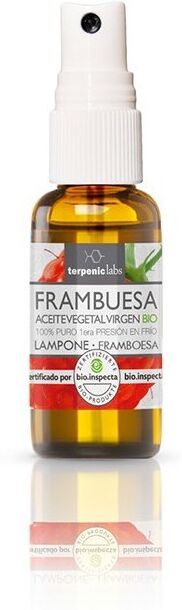
Terpenic Lab Organic Raspberry Oil 30mlHealth and Beauty Creams Terpenic Lab Organic Raspberry Oil 30ml Raspberry seed oil is obtained by cold pressing and subsequent filtration of the seeds of the Rubus ideus L. shrub. This shrub grows endemic to Europe and parts of Asia where it extends from 1.5m to 2.5m with evergreen leaves and whose sweet fruits (raspberries) are produced from late summer to early autumn, although its flowering and ripening may vary depending on the warmer or colder climate of the regions where it grows. Benefits: Acts as an anti-inflammatory for redness and irritation. Properties: moisturizing, nourishing, soothing, and regenerating. Soothing and anti-itch effect. Widely used in the formulation of regenerating cosmetics for the eye contour, lip contour, and facial, hair, and body treatments.12,37 £*Shipping: 3,99 £Secure redirect to the provider
-
Terpenic Lab Organic Camelina 100 mlHealth and Beauty Creams Terpenic Lab Organic Camelina 100 ml 100% pure and natural organic oil, first cold-pressed. Terpenic Labs holds the Euro leaf and Inspecta bio seals, guaranteeing that it comes from organic farming. This cosmetic is made with virgin vegetable oils that retain all the qualities of the fruit or seed, freshly pressed to preserve their aroma, texture, and color. Unique for their therapeutic value for the skin, they retain all their vitamins. Benefits: Therapeutic and antioxidant. Detoxifying. Available sizes: 100 ml and 500 ml10,19 £*Shipping: 3,99 £Secure redirect to the provider
-
Why is organic chemistry called organic chemistry?
Organic chemistry is called so because it was originally believed that compounds found in living organisms could only be produced by living organisms, and were therefore called "organic" compounds. This belief was later disproven, but the name stuck. Organic chemistry is the study of carbon-containing compounds, which are abundant in living organisms, and it focuses on the structure, properties, and reactions of these compounds. **
-
Does peppermint tea stain teeth?
Peppermint tea itself is not known to stain teeth. However, if the tea is consumed in large quantities or if it contains additives like sugar or artificial coloring, it could potentially contribute to teeth staining over time. It's always a good idea to practice good oral hygiene, including regular brushing and flossing, to help prevent staining regardless of the type of tea consumed. **
-
Can dogs eat peppermint candies?
No, dogs should not eat peppermint candies. Peppermint candies often contain high amounts of sugar, which can be harmful to dogs and lead to issues like obesity and dental problems. Additionally, some peppermint candies may also contain xylitol, a sweetener that is toxic to dogs and can cause a range of health issues, including low blood sugar and liver failure. It is best to avoid giving dogs any kind of candy or human food that is not specifically formulated for them. **
-
Why does peppermint taste cool?
Peppermint tastes cool because it contains a compound called menthol. Menthol activates the cold-sensitive TRPM8 receptors in our mouth, which send a signal to our brain that we are experiencing a cooling sensation. This is why peppermint is often used in products like gum, toothpaste, and candies to provide a refreshing and cooling effect. **
* All prices are inclusive of VAT and, if applicable, plus shipping costs. The offer information is based on the details provided by the respective shop and is updated through automated processes. Real-time updates do not occur, so deviations can occur in individual cases. ** Note: Parts of this content were created by AI.