Buy inning.eu ?
We are moving the project
inning.eu .
Are you interested in purchasing the domain
inning.eu ?
domain@kv-gmbh.de · 0541-91531010
Buy inning.eu ?
What are nomadic peoples?
Nomadic peoples are communities or groups of people who do not have a fixed home and constantly move from place to place in search of resources such as food, water, and shelter. They typically live in temporary dwellings such as tents or portable huts and rely on herding animals or hunting and gathering for their sustenance. Nomadic lifestyles have been practiced for thousands of years by various cultures around the world, adapting to different environments and climates. **
Which indigenous peoples exist?
There are thousands of indigenous peoples around the world, each with their own unique cultures, languages, and traditions. Some well-known indigenous peoples include the Maasai in East Africa, the Inuit in the Arctic regions, the Maori in New Zealand, the Native American tribes in North America, the Aboriginal peoples in Australia, and the Ainu in Japan. These are just a few examples, and there are many more indigenous communities spread across every continent. **


Similar search terms for Peoples
Top-Angebote
Products related to Peoples:
-
Cath Kidston Feels Like Home Pitch Jug/VaseAdd a versatile and stylish touch to your home with the Cath Kidston Feels Like Home Pitch Jug / Vase. Designed with Cath Kidston’s signature nostalgic charm, this piece is perfect for serving drinks at the table or displaying fresh flowers as a decorative vase. Its elegant shape and timeless design make it a beautiful addition to any kitchen or dining space. Crafted from durable materials, it’s practical for everyday use yet stylish enough for special occasions. Pair it with other items from the Feels Like Home collection for a coordinated look.34,00 £*Shipping: 3,50 £Secure redirect to the provider
-
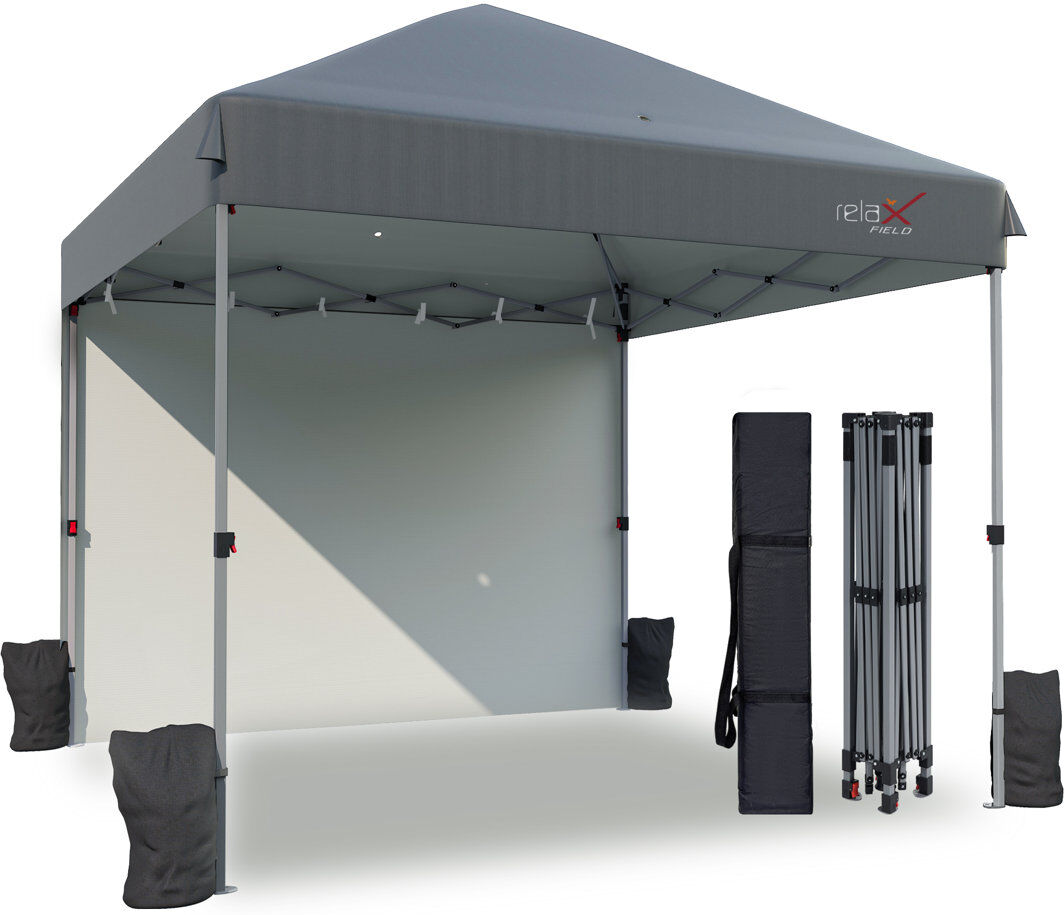
RELAX FIELD TentInstant shelter with customisable coverage. This pop-up gazebo features an adjustable canopy and detachable sidewalls for adaptable sun/rain protection. The rust-resistant steel frame stays sturdy, while the waterproof, UV-blocking fabric keeps you covered. Folds into a compact carry bag for effortless transport to any event RELAX FIELD139,99 £*Shipping: 0,00 £Secure redirect to the provider


-
What are unconventional peoples?
Unconventional peoples are individuals who do not conform to traditional societal norms or expectations. They may have unique beliefs, lifestyles, or ways of expressing themselves that deviate from the mainstream. Unconventional peoples often challenge the status quo and may be seen as nonconformist or rebellious by others. They may also be creative, innovative, and open-minded in their approach to life. **
-
What are the Germanic peoples?
The Germanic peoples were a group of Indo-European tribes who originated in Northern Europe. They spoke Germanic languages and shared cultural and linguistic similarities. They played a significant role in shaping the history of Europe, with various Germanic tribes establishing kingdoms and empires across the continent. Some well-known Germanic tribes include the Franks, Goths, Vandals, and Saxons. **
-
What are the Moroccan peoples?
The Moroccan people are the inhabitants of the North African country of Morocco. They are a diverse group with a rich cultural heritage that includes Arab, Berber, and African influences. The majority of Moroccans are Muslim, and the country's official languages are Arabic and Berber. The Moroccan people are known for their hospitality, vibrant traditions, and delicious cuisine. **
-
Can one join indigenous peoples?
Yes, it is possible for individuals to join indigenous communities through marriage, adoption, or by being formally accepted into the community. However, it is important to approach this process with respect and understanding of the specific cultural traditions and protocols of the indigenous group. It is also important to recognize that joining an indigenous community is a deeply personal and meaningful decision that should be approached with humility and a willingness to learn and integrate into the community. **


Which Germanic peoples used runes?
The Germanic peoples who used runes included the early Germanic tribes such as the Goths, Vandals, and the Anglo-Saxons. Runes were an ancient writing system used by these Germanic peoples to communicate and record information. The runic alphabet, known as the futhark, was used for inscriptions, magical purposes, and as a means of communication. The use of runes declined with the spread of Christianity and the adoption of the Latin alphabet. **
Did the Romans wipe out the Germanic and Celtic peoples?
No, the Romans did not wipe out the Germanic and Celtic peoples. While the Romans did conquer and assimilate some of these groups into their empire, they did not completely eradicate their cultures or populations. The Germanic and Celtic peoples continued to exist and eventually played a role in the decline of the Roman Empire. **
Top-Angebote
Products related to Peoples:
-
HarperCollins The History of Middle-earth Boxed Set 4 by J.R.R. Tolkien - Morgoth's Ring, War of the Jewels, Peoples of Middle-earth & Index - New HardbackThis boxed set, edited by Christopher Tolkien, gathers four essential hardback companion volumes charting the later evolution of J.R.R. Tolkien's legendarium. The set includes Morgoth's Ring, The War of the Jewels, The Peoples of Middle-earth, and a comprehensive Index. Presented with striking double-sided dustjackets, this brand new set is an indispensable resource for readers wanting deeper insight into the writing behind The Silmarillion and The Lord of the Rings. The fourth boxed set brings together the final volumes of Christopher Tolkien's twelve-part scholarly project, providing a detailed look at the later revision of Tolkien's work.69,99 £*Shipping: 0,00 £Secure redirect to the provider
-
YUZHOU "63'' Farmhouse Solid Wood Conference Table with Large Tabletop and Sturdy Legs for 4-6 peoples - 62.99"" L x 31.5"" W x 29.53"" H"Handcrafted solid wood minimalist conference table featuring unique natural wood textures and knots. Robust U-shaped solid wood side frames balance stable load-bearing and airy layout with spacious leg space.245,99 $*Shipping: 0,00 $Secure redirect to the provider
-
What are nomadic peoples?
Nomadic peoples are communities or groups of people who do not have a fixed home and constantly move from place to place in search of resources such as food, water, and shelter. They typically live in temporary dwellings such as tents or portable huts and rely on herding animals or hunting and gathering for their sustenance. Nomadic lifestyles have been practiced for thousands of years by various cultures around the world, adapting to different environments and climates. **
-
Which indigenous peoples exist?
There are thousands of indigenous peoples around the world, each with their own unique cultures, languages, and traditions. Some well-known indigenous peoples include the Maasai in East Africa, the Inuit in the Arctic regions, the Maori in New Zealand, the Native American tribes in North America, the Aboriginal peoples in Australia, and the Ainu in Japan. These are just a few examples, and there are many more indigenous communities spread across every continent. **
-
What are unconventional peoples?
Unconventional peoples are individuals who do not conform to traditional societal norms or expectations. They may have unique beliefs, lifestyles, or ways of expressing themselves that deviate from the mainstream. Unconventional peoples often challenge the status quo and may be seen as nonconformist or rebellious by others. They may also be creative, innovative, and open-minded in their approach to life. **
-
What are the Germanic peoples?
The Germanic peoples were a group of Indo-European tribes who originated in Northern Europe. They spoke Germanic languages and shared cultural and linguistic similarities. They played a significant role in shaping the history of Europe, with various Germanic tribes establishing kingdoms and empires across the continent. Some well-known Germanic tribes include the Franks, Goths, Vandals, and Saxons. **
Similar search terms for Peoples
-
Cath Kidston Feels Like Home Pitch Jug/VaseAdd a versatile and stylish touch to your home with the Cath Kidston Feels Like Home Pitch Jug / Vase. Designed with Cath Kidston’s signature nostalgic charm, this piece is perfect for serving drinks at the table or displaying fresh flowers as a decorative vase. Its elegant shape and timeless design make it a beautiful addition to any kitchen or dining space. Crafted from durable materials, it’s practical for everyday use yet stylish enough for special occasions. Pair it with other items from the Feels Like Home collection for a coordinated look.34,00 £*Shipping: 3,50 £Secure redirect to the provider
-
RELAX FIELD TentInstant shelter with customisable coverage. This pop-up gazebo features an adjustable canopy and detachable sidewalls for adaptable sun/rain protection. The rust-resistant steel frame stays sturdy, while the waterproof, UV-blocking fabric keeps you covered. Folds into a compact carry bag for effortless transport to any event RELAX FIELD139,99 £*Shipping: 0,00 £Secure redirect to the provider
-
Baby Jogger City Tour 2 Double Stroller, Pitch BlackThe City Tour™ 2 Double folds small for double the adventures. The lightweight design fits through a standard doorway and features an ultra-compact fold, making getting around town with two easier than ever.499,99 $*Shipping: 0,00 $Secure redirect to the provider
-
Pitch Publishing Ltd Even the Defeats by John SilkEven the Defeats is the story of how painful moments in Sir Alex Ferguson early reign inspired him to lead Manchester United to some of their greatest successes. A heavy 5-1 loss at Manchester City in Ferguson early tenure led pundits and supporters to question the Scot position, but by the season end he was holding aloft his first trophy at the club -- the FA Cup. This trend continued when an end-of-season collapse handed Leeds United the league title in the spring of 1992, only to galvanise United to their first championship in 26 years the very next year.From struggles in Europe to winning the treble, from losing the title on goal difference to their city rivals to winning the Premier League in Ferguson final season in charge - rising from the depths of despair to achieve glory, and using failure to fuel success, was arguably Sir Alex greatest strength. John Silk brings you the inside story of what made Ferguson tick, with views from players, coaches and other members of staff from the great Scot reign.12,36 £*Shipping: 2,99 £Secure redirect to the provider
-
What are the Moroccan peoples?
The Moroccan people are the inhabitants of the North African country of Morocco. They are a diverse group with a rich cultural heritage that includes Arab, Berber, and African influences. The majority of Moroccans are Muslim, and the country's official languages are Arabic and Berber. The Moroccan people are known for their hospitality, vibrant traditions, and delicious cuisine. **
-
Can one join indigenous peoples?
Yes, it is possible for individuals to join indigenous communities through marriage, adoption, or by being formally accepted into the community. However, it is important to approach this process with respect and understanding of the specific cultural traditions and protocols of the indigenous group. It is also important to recognize that joining an indigenous community is a deeply personal and meaningful decision that should be approached with humility and a willingness to learn and integrate into the community. **
-
Which Germanic peoples used runes?
The Germanic peoples who used runes included the early Germanic tribes such as the Goths, Vandals, and the Anglo-Saxons. Runes were an ancient writing system used by these Germanic peoples to communicate and record information. The runic alphabet, known as the futhark, was used for inscriptions, magical purposes, and as a means of communication. The use of runes declined with the spread of Christianity and the adoption of the Latin alphabet. **
-
Did the Romans wipe out the Germanic and Celtic peoples?
No, the Romans did not wipe out the Germanic and Celtic peoples. While the Romans did conquer and assimilate some of these groups into their empire, they did not completely eradicate their cultures or populations. The Germanic and Celtic peoples continued to exist and eventually played a role in the decline of the Roman Empire. **
* All prices are inclusive of VAT and, if applicable, plus shipping costs. The offer information is based on the details provided by the respective shop and is updated through automated processes. Real-time updates do not occur, so deviations can occur in individual cases. ** Note: Parts of this content were created by AI.