Buy inning.eu ?
We are moving the project
inning.eu .
Are you interested in purchasing the domain
inning.eu ?
domain@kv-gmbh.de · 0541-91531010
Buy inning.eu ?
What are organizational professions?
Organizational professions refer to careers that involve working within a structured environment, such as corporations, government agencies, or non-profit organizations. These professions typically require individuals to possess strong organizational skills, the ability to work well within a team, and a good understanding of how to navigate complex systems and hierarchies. Examples of organizational professions include management, human resources, finance, and administration. **
What are organizational elements?
Organizational elements refer to the fundamental components that make up an organization's structure and functioning. These elements can include the organization's mission, vision, goals, policies, procedures, culture, leadership, communication channels, and decision-making processes. They are essential for creating a framework that guides the organization's operations and helps it achieve its objectives. By understanding and effectively managing these elements, organizations can improve their performance and adapt to changes in their environment. **


Similar search terms for Organizational
Top-Angebote
Products related to Organizational:
-
Cath Kidston Feels Like Home Pitch Jug/VaseAdd a versatile and stylish touch to your home with the Cath Kidston Feels Like Home Pitch Jug / Vase. Designed with Cath Kidston’s signature nostalgic charm, this piece is perfect for serving drinks at the table or displaying fresh flowers as a decorative vase. Its elegant shape and timeless design make it a beautiful addition to any kitchen or dining space. Crafted from durable materials, it’s practical for everyday use yet stylish enough for special occasions. Pair it with other items from the Feels Like Home collection for a coordinated look.34,00 £*Shipping: 3,50 £Secure redirect to the provider
-
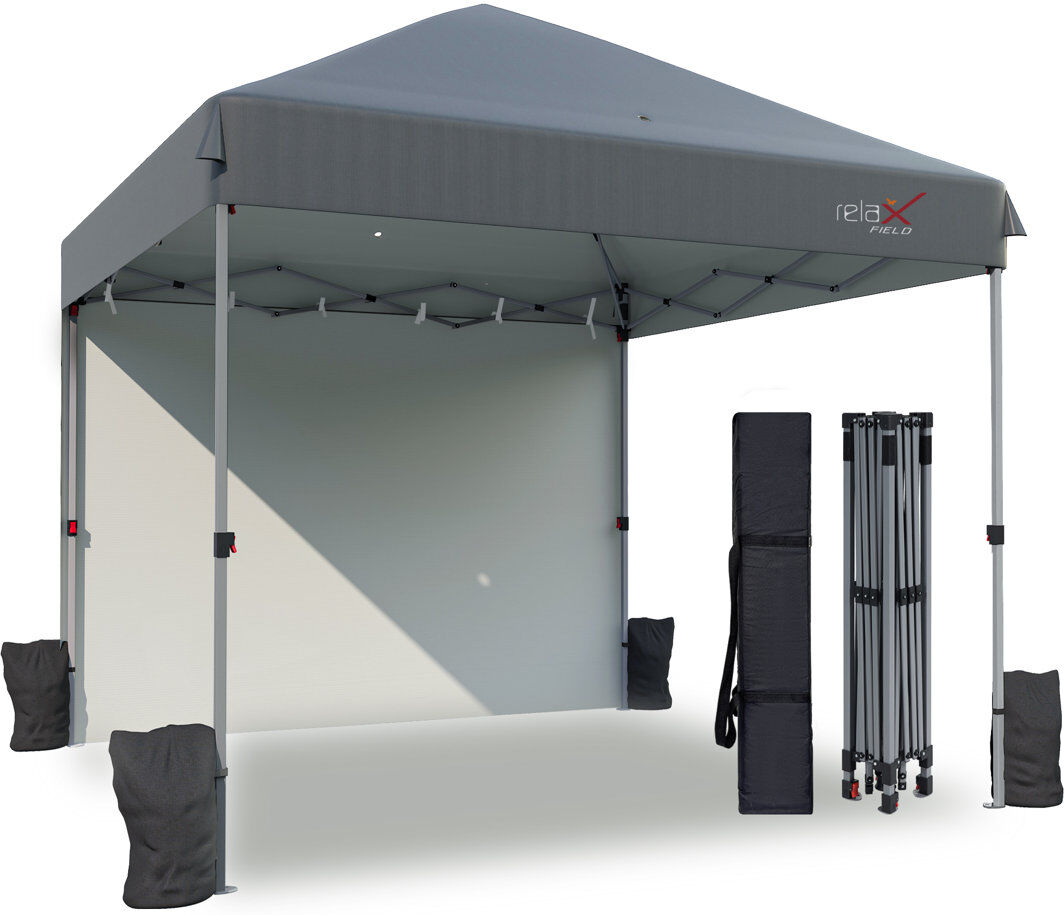
RELAX FIELD TentInstant shelter with customisable coverage. This pop-up gazebo features an adjustable canopy and detachable sidewalls for adaptable sun/rain protection. The rust-resistant steel frame stays sturdy, while the waterproof, UV-blocking fabric keeps you covered. Folds into a compact carry bag for effortless transport to any event RELAX FIELD128,99 £*Shipping: 0,00 £Secure redirect to the provider


-
What are organizational tasks?
Organizational tasks are the specific activities and responsibilities that individuals or teams within an organization are responsible for completing in order to achieve the organization's goals. These tasks can include things like project management, scheduling, budgeting, coordinating team efforts, and ensuring that resources are allocated effectively. Organizational tasks are essential for maintaining order and efficiency within a company, and they help to ensure that everyone is working towards the same objectives. **
-
How can organizational matters be resolved after moving out?
Organizational matters after moving out can be resolved by creating a checklist of tasks that need to be completed, such as cancelling utilities, updating your address with relevant institutions, and returning any rented items. It is also important to communicate with the landlord or property manager to ensure that all necessary paperwork and inspections are completed. Finally, make sure to thoroughly clean the property and document its condition to avoid any disputes over the security deposit. **
-
Which professions require organizational skills?
Many professions require organizational skills, including project management, event planning, administrative roles, and executive positions. In project management, organizational skills are essential for keeping track of timelines, resources, and team members. Event planners need strong organizational skills to coordinate all the details of an event, from vendors to schedules. Administrative roles require organizational skills to manage calendars, documents, and communication. Executive positions also require strong organizational skills to oversee multiple aspects of a business or organization. **
-
What is the organizational chart?
An organizational chart is a visual representation of the structure of an organization, showing the relationships and hierarchy between different positions and departments. It typically includes boxes representing different roles or positions, connected by lines to show the reporting relationships and lines of authority. Organizational charts are used to help employees understand the chain of command, communication channels, and reporting structure within the organization. They can also be used to identify areas of overlap or gaps in responsibilities. **


What is an ISO organizational standard?
An ISO organizational standard is a set of guidelines and best practices developed by the International Organization for Standardization (ISO) to help organizations improve their processes, products, and services. These standards are designed to ensure consistency, efficiency, and quality across various industries and sectors. By adhering to ISO standards, organizations can demonstrate their commitment to meeting customer requirements, complying with regulations, and continuously improving their operations. ISO standards cover a wide range of areas, including quality management, environmental management, information security, and occupational health and safety. **
How can organizational levels be described?
Organizational levels can be described as the different layers or tiers within a company's structure, each with its own set of responsibilities and authority. These levels typically include top-level management, middle management, and front-line employees. Top-level management is responsible for making strategic decisions and setting the overall direction of the organization, while middle management oversees the implementation of these strategies and coordinates the activities of front-line employees. Front-line employees are responsible for carrying out the day-to-day tasks necessary to achieve the organization's goals. Each level has its own distinct role and contributes to the overall functioning of the organization. **
Top-Angebote
Products related to Organizational:
-
Uplifted Goods 360 Rotating 6 Claw Organizational Accessory Hub rose GoldEstablish a high level of closet efficiency with this High Performance Vertical Space Optimization Interface. Engineered with a Reinforced Polymeric Structural Shield and a specialized sixprong claw frame, this hanger is designed to provide a...29,97 $*Shipping: 0,00 $Secure redirect to the provider
-
The Readers Paradise The Psychology of Management: Building and Sustaining a Strong Organizational Structure and Culture by Sanchit Khullar - Paperback - BusinessDiscover the practical guide to effective management with The Psychology of Management: Building and Sustaining a Strong Organizational Structure and Culture by Sanchit Khullar. This book offers a research-informed approach to leadership, blending psychological theory with real-world management practice. It explores how human behavior, motivation, and culture shape organizational performance, providing a deeper understanding of what makes workplaces thrive. Written for managers, HR professionals, executives, and business students, this book breaks down the complexities of leadership, making it an essential resource for anyone looking to improve their management skills.2,99 £*Shipping: 2,99 £Secure redirect to the provider
-
What are organizational professions?
Organizational professions refer to careers that involve working within a structured environment, such as corporations, government agencies, or non-profit organizations. These professions typically require individuals to possess strong organizational skills, the ability to work well within a team, and a good understanding of how to navigate complex systems and hierarchies. Examples of organizational professions include management, human resources, finance, and administration. **
-
What are organizational elements?
Organizational elements refer to the fundamental components that make up an organization's structure and functioning. These elements can include the organization's mission, vision, goals, policies, procedures, culture, leadership, communication channels, and decision-making processes. They are essential for creating a framework that guides the organization's operations and helps it achieve its objectives. By understanding and effectively managing these elements, organizations can improve their performance and adapt to changes in their environment. **
-
What are organizational tasks?
Organizational tasks are the specific activities and responsibilities that individuals or teams within an organization are responsible for completing in order to achieve the organization's goals. These tasks can include things like project management, scheduling, budgeting, coordinating team efforts, and ensuring that resources are allocated effectively. Organizational tasks are essential for maintaining order and efficiency within a company, and they help to ensure that everyone is working towards the same objectives. **
-
How can organizational matters be resolved after moving out?
Organizational matters after moving out can be resolved by creating a checklist of tasks that need to be completed, such as cancelling utilities, updating your address with relevant institutions, and returning any rented items. It is also important to communicate with the landlord or property manager to ensure that all necessary paperwork and inspections are completed. Finally, make sure to thoroughly clean the property and document its condition to avoid any disputes over the security deposit. **
Similar search terms for Organizational
-
Cath Kidston Feels Like Home Pitch Jug/VaseAdd a versatile and stylish touch to your home with the Cath Kidston Feels Like Home Pitch Jug / Vase. Designed with Cath Kidston’s signature nostalgic charm, this piece is perfect for serving drinks at the table or displaying fresh flowers as a decorative vase. Its elegant shape and timeless design make it a beautiful addition to any kitchen or dining space. Crafted from durable materials, it’s practical for everyday use yet stylish enough for special occasions. Pair it with other items from the Feels Like Home collection for a coordinated look.34,00 £*Shipping: 3,50 £Secure redirect to the provider
-
RELAX FIELD TentInstant shelter with customisable coverage. This pop-up gazebo features an adjustable canopy and detachable sidewalls for adaptable sun/rain protection. The rust-resistant steel frame stays sturdy, while the waterproof, UV-blocking fabric keeps you covered. Folds into a compact carry bag for effortless transport to any event RELAX FIELD128,99 £*Shipping: 0,00 £Secure redirect to the provider
-
Baby Jogger City Tour 2 Double Stroller, Pitch BlackThe City Tour™ 2 Double folds small for double the adventures. The lightweight design fits through a standard doorway and features an ultra-compact fold, making getting around town with two easier than ever.499,99 $*Shipping: 0,00 $Secure redirect to the provider
-
Pitch Publishing Ltd Even the Defeats by John SilkEven the Defeats is the story of how painful moments in Sir Alex Ferguson early reign inspired him to lead Manchester United to some of their greatest successes. A heavy 5-1 loss at Manchester City in Ferguson early tenure led pundits and supporters to question the Scot position, but by the season end he was holding aloft his first trophy at the club -- the FA Cup. This trend continued when an end-of-season collapse handed Leeds United the league title in the spring of 1992, only to galvanise United to their first championship in 26 years the very next year.From struggles in Europe to winning the treble, from losing the title on goal difference to their city rivals to winning the Premier League in Ferguson final season in charge - rising from the depths of despair to achieve glory, and using failure to fuel success, was arguably Sir Alex greatest strength. John Silk brings you the inside story of what made Ferguson tick, with views from players, coaches and other members of staff from the great Scot reign.12,36 £*Shipping: 2,99 £Secure redirect to the provider
-
Which professions require organizational skills?
Many professions require organizational skills, including project management, event planning, administrative roles, and executive positions. In project management, organizational skills are essential for keeping track of timelines, resources, and team members. Event planners need strong organizational skills to coordinate all the details of an event, from vendors to schedules. Administrative roles require organizational skills to manage calendars, documents, and communication. Executive positions also require strong organizational skills to oversee multiple aspects of a business or organization. **
-
What is the organizational chart?
An organizational chart is a visual representation of the structure of an organization, showing the relationships and hierarchy between different positions and departments. It typically includes boxes representing different roles or positions, connected by lines to show the reporting relationships and lines of authority. Organizational charts are used to help employees understand the chain of command, communication channels, and reporting structure within the organization. They can also be used to identify areas of overlap or gaps in responsibilities. **
-
What is an ISO organizational standard?
An ISO organizational standard is a set of guidelines and best practices developed by the International Organization for Standardization (ISO) to help organizations improve their processes, products, and services. These standards are designed to ensure consistency, efficiency, and quality across various industries and sectors. By adhering to ISO standards, organizations can demonstrate their commitment to meeting customer requirements, complying with regulations, and continuously improving their operations. ISO standards cover a wide range of areas, including quality management, environmental management, information security, and occupational health and safety. **
-
How can organizational levels be described?
Organizational levels can be described as the different layers or tiers within a company's structure, each with its own set of responsibilities and authority. These levels typically include top-level management, middle management, and front-line employees. Top-level management is responsible for making strategic decisions and setting the overall direction of the organization, while middle management oversees the implementation of these strategies and coordinates the activities of front-line employees. Front-line employees are responsible for carrying out the day-to-day tasks necessary to achieve the organization's goals. Each level has its own distinct role and contributes to the overall functioning of the organization. **
* All prices are inclusive of VAT and, if applicable, plus shipping costs. The offer information is based on the details provided by the respective shop and is updated through automated processes. Real-time updates do not occur, so deviations can occur in individual cases. ** Note: Parts of this content were created by AI.