Buy inning.eu ?
We are moving the project
inning.eu .
Are you interested in purchasing the domain
inning.eu ?
domain@kv-gmbh.de · 0541-91531010
Buy inning.eu ?
What are orchestral arrangements?
Orchestral arrangements refer to the musical composition and organization of a piece of music for an orchestra. This involves determining which instruments will play which parts, as well as the overall structure and dynamics of the piece. Orchestral arrangements can involve adapting a piece of music originally written for a different ensemble or creating a new arrangement of an existing composition. The goal of orchestral arrangements is to showcase the unique timbres and capabilities of the various instruments in the orchestra while creating a cohesive and expressive musical performance. **
What is an orchestral musician?
An orchestral musician is a professional musician who plays a musical instrument as part of an orchestra. They are highly skilled in their instrument and are able to perform a wide range of musical styles and genres. Orchestral musicians work together with other musicians in the orchestra to create a cohesive and harmonious sound, following the direction of a conductor. They often perform in concert halls, theaters, and other venues, bringing music to audiences around the world. **

Similar search terms for Orchestral
Top-Angebote
Products related to Orchestral:
-
Cath Kidston Feels Like Home Pitch Jug/VaseAdd a versatile and stylish touch to your home with the Cath Kidston Feels Like Home Pitch Jug / Vase. Designed with Cath Kidston’s signature nostalgic charm, this piece is perfect for serving drinks at the table or displaying fresh flowers as a decorative vase. Its elegant shape and timeless design make it a beautiful addition to any kitchen or dining space. Crafted from durable materials, it’s practical for everyday use yet stylish enough for special occasions. Pair it with other items from the Feels Like Home collection for a coordinated look.34,00 £*Shipping: 3,50 £Secure redirect to the provider
-
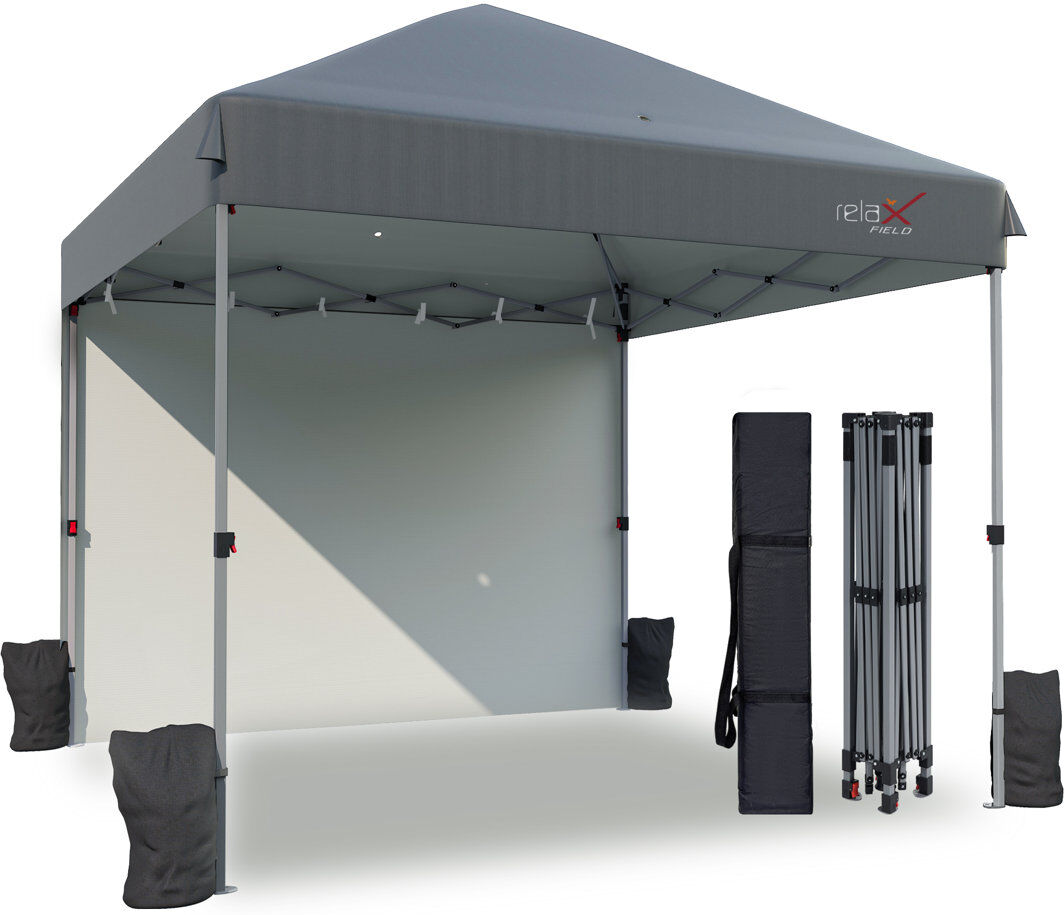
RELAX FIELD TentInstant shelter with customisable coverage. This pop-up gazebo features an adjustable canopy and detachable sidewalls for adaptable sun/rain protection. The rust-resistant steel frame stays sturdy, while the waterproof, UV-blocking fabric keeps you covered. Folds into a compact carry bag for effortless transport to any event RELAX FIELD139,99 £*Shipping: 0,00 £Secure redirect to the provider
-
Baby Jogger City Tour 2 Double Stroller, Pitch BlackThe City Tour™ 2 Double folds small for double the adventures. The lightweight design fits through a standard doorway and features an ultra-compact fold, making getting around town with two easier than ever.499,99 $*Shipping: 0,00 $Secure redirect to the provider
-
Pitch Publishing Ltd Even the Defeats by John SilkEven the Defeats is the story of how painful moments in Sir Alex Ferguson early reign inspired him to lead Manchester United to some of their greatest successes. A heavy 5-1 loss at Manchester City in Ferguson early tenure led pundits and supporters to question the Scot position, but by the season end he was holding aloft his first trophy at the club -- the FA Cup. This trend continued when an end-of-season collapse handed Leeds United the league title in the spring of 1992, only to galvanise United to their first championship in 26 years the very next year.From struggles in Europe to winning the treble, from losing the title on goal difference to their city rivals to winning the Premier League in Ferguson final season in charge - rising from the depths of despair to achieve glory, and using failure to fuel success, was arguably Sir Alex greatest strength. John Silk brings you the inside story of what made Ferguson tick, with views from players, coaches and other members of staff from the great Scot reign.12,36 £*Shipping: 2,99 £Secure redirect to the provider



-
What are orchestral cyclic large forms?
Orchestral cyclic large forms are musical compositions that consist of multiple movements or sections that are thematically related and interconnected. These forms often feature recurring motifs or themes that unify the different parts of the composition. The cyclic nature of these forms allows for a sense of cohesion and continuity throughout the entire piece. Examples of orchestral cyclic large forms include symphonies, concertos, and tone poems. **
-
How can one compose virtual orchestral music?
To compose virtual orchestral music, one can start by choosing a digital audio workstation (DAW) software that supports orchestral sample libraries. Next, select high-quality orchestral sample libraries that include a variety of instruments such as strings, brass, woodwinds, and percussion. Then, familiarize oneself with the different articulations and techniques available for each instrument to create realistic and expressive performances. Finally, arrange the orchestral parts, paying attention to dynamics, phrasing, and balance to achieve a cohesive and emotive composition. **
-
How can one compose orchestral digital music?
To compose orchestral digital music, one can start by selecting a digital audio workstation (DAW) software that supports orchestral sounds and instruments. Next, they can choose high-quality orchestral sample libraries or virtual instruments to create realistic orchestral sounds. It is important to have a good understanding of orchestration and music theory to effectively arrange the different instruments in the composition. Experimenting with different combinations of instruments, melodies, harmonies, and rhythms can help in creating a dynamic and engaging orchestral piece. **
-
What is the orchestral instrumentation in classical music?
Orchestral instrumentation in classical music typically includes four main families of instruments: strings (violins, violas, cellos, double basses), woodwinds (flutes, oboes, clarinets, bassoons), brass (trumpets, French horns, trombones, tuba), and percussion (timpani, snare drum, cymbals). Each family of instruments plays a unique role in creating the rich and diverse sound of the orchestra. The combination of these instruments allows composers to create a wide range of textures and dynamics in their compositions, making orchestral music one of the most versatile and expressive forms of music. **

What is the orchestral lineup in classical music?
The orchestral lineup in classical music typically consists of four main sections: strings, woodwinds, brass, and percussion. Each section is made up of various instruments, with the strings section including instruments such as violins, violas, cellos, and double basses; the woodwinds section including instruments like flutes, clarinets, oboes, and bassoons; the brass section including instruments like trumpets, trombones, French horns, and tubas; and the percussion section including instruments like timpani, snare drums, cymbals, and xylophones. Additionally, some orchestras may also include other instruments such as harps, keyboards, and additional percussion instruments. **
Can you please give a presentation about orchestral instruments?
Orchestral instruments are divided into four main families: strings, woodwinds, brass, and percussion. String instruments include the violin, viola, cello, and double bass, which produce sound by vibrating strings. Woodwind instruments, such as the flute, clarinet, and oboe, create sound by blowing air through a mouthpiece. Brass instruments like the trumpet, trombone, and French horn produce sound by buzzing lips into a mouthpiece. Percussion instruments, including the timpani, snare drum, and cymbals, produce sound by being struck or shaken. Each family of instruments plays a unique role in an orchestra, coming together to create a harmonious and dynamic musical experience. **
Top-Angebote
Products related to Orchestral:
-
Cath Kidston Feels Like Home Pitch Jug/VaseAdd a versatile and stylish touch to your home with the Cath Kidston Feels Like Home Pitch Jug / Vase. Designed with Cath Kidston’s signature nostalgic charm, this piece is perfect for serving drinks at the table or displaying fresh flowers as a decorative vase. Its elegant shape and timeless design make it a beautiful addition to any kitchen or dining space. Crafted from durable materials, it’s practical for everyday use yet stylish enough for special occasions. Pair it with other items from the Feels Like Home collection for a coordinated look.34,00 £*Shipping: 3,50 £Secure redirect to the provider
-
RELAX FIELD TentInstant shelter with customisable coverage. This pop-up gazebo features an adjustable canopy and detachable sidewalls for adaptable sun/rain protection. The rust-resistant steel frame stays sturdy, while the waterproof, UV-blocking fabric keeps you covered. Folds into a compact carry bag for effortless transport to any event RELAX FIELD139,99 £*Shipping: 0,00 £Secure redirect to the provider
-
What are orchestral arrangements?
Orchestral arrangements refer to the musical composition and organization of a piece of music for an orchestra. This involves determining which instruments will play which parts, as well as the overall structure and dynamics of the piece. Orchestral arrangements can involve adapting a piece of music originally written for a different ensemble or creating a new arrangement of an existing composition. The goal of orchestral arrangements is to showcase the unique timbres and capabilities of the various instruments in the orchestra while creating a cohesive and expressive musical performance. **
-
What is an orchestral musician?
An orchestral musician is a professional musician who plays a musical instrument as part of an orchestra. They are highly skilled in their instrument and are able to perform a wide range of musical styles and genres. Orchestral musicians work together with other musicians in the orchestra to create a cohesive and harmonious sound, following the direction of a conductor. They often perform in concert halls, theaters, and other venues, bringing music to audiences around the world. **
-
What are orchestral cyclic large forms?
Orchestral cyclic large forms are musical compositions that consist of multiple movements or sections that are thematically related and interconnected. These forms often feature recurring motifs or themes that unify the different parts of the composition. The cyclic nature of these forms allows for a sense of cohesion and continuity throughout the entire piece. Examples of orchestral cyclic large forms include symphonies, concertos, and tone poems. **
-
How can one compose virtual orchestral music?
To compose virtual orchestral music, one can start by choosing a digital audio workstation (DAW) software that supports orchestral sample libraries. Next, select high-quality orchestral sample libraries that include a variety of instruments such as strings, brass, woodwinds, and percussion. Then, familiarize oneself with the different articulations and techniques available for each instrument to create realistic and expressive performances. Finally, arrange the orchestral parts, paying attention to dynamics, phrasing, and balance to achieve a cohesive and emotive composition. **
Similar search terms for Orchestral
-
Baby Jogger City Tour 2 Double Stroller, Pitch BlackThe City Tour™ 2 Double folds small for double the adventures. The lightweight design fits through a standard doorway and features an ultra-compact fold, making getting around town with two easier than ever.499,99 $*Shipping: 0,00 $Secure redirect to the provider
-
Pitch Publishing Ltd Even the Defeats by John SilkEven the Defeats is the story of how painful moments in Sir Alex Ferguson early reign inspired him to lead Manchester United to some of their greatest successes. A heavy 5-1 loss at Manchester City in Ferguson early tenure led pundits and supporters to question the Scot position, but by the season end he was holding aloft his first trophy at the club -- the FA Cup. This trend continued when an end-of-season collapse handed Leeds United the league title in the spring of 1992, only to galvanise United to their first championship in 26 years the very next year.From struggles in Europe to winning the treble, from losing the title on goal difference to their city rivals to winning the Premier League in Ferguson final season in charge - rising from the depths of despair to achieve glory, and using failure to fuel success, was arguably Sir Alex greatest strength. John Silk brings you the inside story of what made Ferguson tick, with views from players, coaches and other members of staff from the great Scot reign.12,36 £*Shipping: 2,99 £Secure redirect to the provider
-
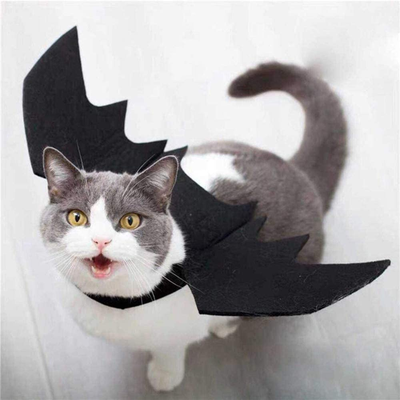
PetsAreLife Black Cat Bat Wings Black Cat Bat WingsWhen Halloween is just around the corner, you have to decide on your dark eve's costume Yes You're going to be a great ghost queen and wickedly funny vampire king. But, the spooky vibes shouldn't refrain to twoleg party animals only. Yep, your...24,97 $*Shipping: 0,00 $Secure redirect to the provider
-
Uplifted Finds "Wooden Halloween ""Coffee Bat"" Decorative Sticker Cute Bat Wall & Refrigerator Decor Wooden Halloween ""Coffee Bat"" Decorative Sticker Cute Bat Wall & Refrigerator Decor""Start your mornings with a touch of spooky whimsy with our Wooden Halloween Bat Shaped Decorative Stickers. This premium cute bat holding coffee cup design is the ultimate designer solution for creating a ""SpookyCottagecore"" or ""ModernHalloween""..."36,97 $*Shipping: 0,00 $Secure redirect to the provider
-
How can one compose orchestral digital music?
To compose orchestral digital music, one can start by selecting a digital audio workstation (DAW) software that supports orchestral sounds and instruments. Next, they can choose high-quality orchestral sample libraries or virtual instruments to create realistic orchestral sounds. It is important to have a good understanding of orchestration and music theory to effectively arrange the different instruments in the composition. Experimenting with different combinations of instruments, melodies, harmonies, and rhythms can help in creating a dynamic and engaging orchestral piece. **
-
What is the orchestral instrumentation in classical music?
Orchestral instrumentation in classical music typically includes four main families of instruments: strings (violins, violas, cellos, double basses), woodwinds (flutes, oboes, clarinets, bassoons), brass (trumpets, French horns, trombones, tuba), and percussion (timpani, snare drum, cymbals). Each family of instruments plays a unique role in creating the rich and diverse sound of the orchestra. The combination of these instruments allows composers to create a wide range of textures and dynamics in their compositions, making orchestral music one of the most versatile and expressive forms of music. **
-
What is the orchestral lineup in classical music?
The orchestral lineup in classical music typically consists of four main sections: strings, woodwinds, brass, and percussion. Each section is made up of various instruments, with the strings section including instruments such as violins, violas, cellos, and double basses; the woodwinds section including instruments like flutes, clarinets, oboes, and bassoons; the brass section including instruments like trumpets, trombones, French horns, and tubas; and the percussion section including instruments like timpani, snare drums, cymbals, and xylophones. Additionally, some orchestras may also include other instruments such as harps, keyboards, and additional percussion instruments. **
-
Can you please give a presentation about orchestral instruments?
Orchestral instruments are divided into four main families: strings, woodwinds, brass, and percussion. String instruments include the violin, viola, cello, and double bass, which produce sound by vibrating strings. Woodwind instruments, such as the flute, clarinet, and oboe, create sound by blowing air through a mouthpiece. Brass instruments like the trumpet, trombone, and French horn produce sound by buzzing lips into a mouthpiece. Percussion instruments, including the timpani, snare drum, and cymbals, produce sound by being struck or shaken. Each family of instruments plays a unique role in an orchestra, coming together to create a harmonious and dynamic musical experience. **
* All prices are inclusive of VAT and, if applicable, plus shipping costs. The offer information is based on the details provided by the respective shop and is updated through automated processes. Real-time updates do not occur, so deviations can occur in individual cases. ** Note: Parts of this content were created by AI.