Buy inning.eu ?
We are moving the project
inning.eu .
Are you interested in purchasing the domain
inning.eu ?
domain@kv-gmbh.de · 0541-91531010
Buy inning.eu ?
What is neutralization?
Neutralization is a chemical reaction between an acid and a base that results in the formation of water and a salt. The acid donates a hydrogen ion (H+) to the base, which accepts it, forming water. The remaining ions from the acid and base combine to form a salt. This reaction helps to neutralize the acidic or basic properties of the substances involved, resulting in a more balanced pH. **
How is the neutralization of H3PO4 carried out?
The neutralization of H3PO4, also known as phosphoric acid, is carried out by adding a base such as sodium hydroxide (NaOH) to the acid. The reaction between the acid and the base results in the formation of water and a salt. In the case of H3PO4, the neutralization reaction can be represented as: H3PO4 + 3NaOH → Na3PO4 + 3H2O This reaction results in the formation of sodium phosphate (Na3PO4) and water, effectively neutralizing the acidic properties of the phosphoric acid. **

Similar search terms for Neutralization
Top-Angebote
Products related to Neutralization:
-
Cath Kidston Feels Like Home Pitch Jug/VaseAdd a versatile and stylish touch to your home with the Cath Kidston Feels Like Home Pitch Jug / Vase. Designed with Cath Kidston’s signature nostalgic charm, this piece is perfect for serving drinks at the table or displaying fresh flowers as a decorative vase. Its elegant shape and timeless design make it a beautiful addition to any kitchen or dining space. Crafted from durable materials, it’s practical for everyday use yet stylish enough for special occasions. Pair it with other items from the Feels Like Home collection for a coordinated look.34,00 £*Shipping: 3,50 £Secure redirect to the provider
-
RELAX FIELD TentInstant shelter with customisable coverage. This pop-up gazebo features an adjustable canopy and detachable sidewalls for adaptable sun/rain protection. The rust-resistant steel frame stays sturdy, while the waterproof, UV-blocking fabric keeps you covered. Folds into a compact carry bag for effortless transport to any event RELAX FIELD139,99 £*Shipping: 0,00 £Secure redirect to the provider



-
How is the neutralization of NaCl carried out?
The neutralization of NaCl is carried out by dissolving the salt in water to form Na+ and Cl- ions. Then, a neutralizing agent, such as a strong base like NaOH, is added to the solution. The hydroxide ions from the base react with the hydrogen ions from the chloride ions to form water, while the sodium ions combine with the hydroxide ions to form NaOH. This results in the formation of water and NaOH, effectively neutralizing the NaCl solution. **
-
How does neutralization work?
Neutralization is a chemical reaction in which an acid and a base react to form water and a salt. The acid donates a hydrogen ion (H+) to the base, which then accepts the hydrogen ion to form water. The remaining ions from the acid and base combine to form a salt. This reaction effectively neutralizes the acidic and basic properties of the original substances, resulting in a solution that is closer to a neutral pH of 7. **
-
What does neutralization mean?
Neutralization is a chemical reaction in which an acid and a base react to form a salt and water. The acid donates a hydrogen ion (H+) and the base donates a hydroxide ion (OH-) to form water, while the remaining ions combine to form a salt. This reaction effectively neutralizes the acidic and basic properties of the original substances, resulting in a solution that is neither acidic nor basic. Neutralization is commonly used in various applications, such as in the treatment of acidic soil, in the production of pharmaceuticals, and in the neutralization of acidic waste. **
-
How is the neutralization of aliphatic acids carried out?
The neutralization of aliphatic acids is typically carried out by adding a base, such as sodium hydroxide or potassium hydroxide, to the acid. This reaction results in the formation of a salt and water. The base reacts with the acidic hydrogen ions, effectively neutralizing the acid and raising the pH of the solution. The resulting salt can then be separated from the solution through processes such as filtration or evaporation. **


How is the neutralization of carboxylic acids carried out?
The neutralization of carboxylic acids is typically carried out by reacting the acid with a base. This reaction forms a salt and water. Common bases used for neutralization include sodium hydroxide (NaOH) and potassium hydroxide (KOH). The reaction is exothermic, meaning it releases heat, and the resulting salt is usually soluble in water. **
How is the neutralization of sodium hydroxide carried out?
The neutralization of sodium hydroxide is typically carried out by adding a measured amount of a strong acid, such as hydrochloric acid, to a solution of sodium hydroxide. The acid is added slowly to the base while stirring continuously until the desired pH is reached. The reaction between the acid and base results in the formation of water and a salt, such as sodium chloride. The pH of the solution is monitored throughout the process to ensure complete neutralization. **
Top-Angebote
Products related to Neutralization:
-
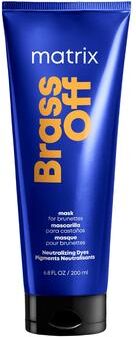
MATRIX Brass Off Neutralization MaskThe Brass Off Custom Neutralization Hair Mask is a professional color depositing formula that neutralizes brassy tones. Get up to 10X less breakage with our most neutralizing haircare system. Highly pigmented blue-violet tones neutralize and...29,99 $*Shipping: 0,00 $Secure redirect to the provider
-
Schwarzkopf BLONDME Premium Lightener 9+ Advanced Neutralization 450gA hair-care product. Lifts up to 9 levels, even on dark bases. Integrated Anti-Metal Bond Protection minimizes breakage. No extra bonding or anti-metal treatments needed. Advanced neutralisation with anti-yellow agents. Suitable for all lightening techniques. Biodegradable Chelating Agent: Neutralises metal ions in the hair to prevent breakage.29,30 £*Shipping: 9,79 £Secure redirect to the provider
-
What is neutralization?
Neutralization is a chemical reaction between an acid and a base that results in the formation of water and a salt. The acid donates a hydrogen ion (H+) to the base, which accepts it, forming water. The remaining ions from the acid and base combine to form a salt. This reaction helps to neutralize the acidic or basic properties of the substances involved, resulting in a more balanced pH. **
-
How is the neutralization of H3PO4 carried out?
The neutralization of H3PO4, also known as phosphoric acid, is carried out by adding a base such as sodium hydroxide (NaOH) to the acid. The reaction between the acid and the base results in the formation of water and a salt. In the case of H3PO4, the neutralization reaction can be represented as: H3PO4 + 3NaOH → Na3PO4 + 3H2O This reaction results in the formation of sodium phosphate (Na3PO4) and water, effectively neutralizing the acidic properties of the phosphoric acid. **
-
How is the neutralization of NaCl carried out?
The neutralization of NaCl is carried out by dissolving the salt in water to form Na+ and Cl- ions. Then, a neutralizing agent, such as a strong base like NaOH, is added to the solution. The hydroxide ions from the base react with the hydrogen ions from the chloride ions to form water, while the sodium ions combine with the hydroxide ions to form NaOH. This results in the formation of water and NaOH, effectively neutralizing the NaCl solution. **
-
How does neutralization work?
Neutralization is a chemical reaction in which an acid and a base react to form water and a salt. The acid donates a hydrogen ion (H+) to the base, which then accepts the hydrogen ion to form water. The remaining ions from the acid and base combine to form a salt. This reaction effectively neutralizes the acidic and basic properties of the original substances, resulting in a solution that is closer to a neutral pH of 7. **
Similar search terms for Neutralization
-
Cath Kidston Feels Like Home Pitch Jug/VaseAdd a versatile and stylish touch to your home with the Cath Kidston Feels Like Home Pitch Jug / Vase. Designed with Cath Kidston’s signature nostalgic charm, this piece is perfect for serving drinks at the table or displaying fresh flowers as a decorative vase. Its elegant shape and timeless design make it a beautiful addition to any kitchen or dining space. Crafted from durable materials, it’s practical for everyday use yet stylish enough for special occasions. Pair it with other items from the Feels Like Home collection for a coordinated look.34,00 £*Shipping: 3,50 £Secure redirect to the provider
-
RELAX FIELD TentInstant shelter with customisable coverage. This pop-up gazebo features an adjustable canopy and detachable sidewalls for adaptable sun/rain protection. The rust-resistant steel frame stays sturdy, while the waterproof, UV-blocking fabric keeps you covered. Folds into a compact carry bag for effortless transport to any event RELAX FIELD139,99 £*Shipping: 0,00 £Secure redirect to the provider
-
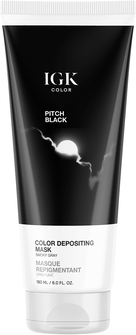
Baby Jogger City Tour 2 Double Stroller, Pitch BlackThe City Tour™ 2 Double folds small for double the adventures. The lightweight design fits through a standard doorway and features an ultra-compact fold, making getting around town with two easier than ever.499,99 $*Shipping: 0,00 $Secure redirect to the provider
-
Pitch Publishing Ltd Even the Defeats by John SilkEven the Defeats is the story of how painful moments in Sir Alex Ferguson early reign inspired him to lead Manchester United to some of their greatest successes. A heavy 5-1 loss at Manchester City in Ferguson early tenure led pundits and supporters to question the Scot position, but by the season end he was holding aloft his first trophy at the club -- the FA Cup. This trend continued when an end-of-season collapse handed Leeds United the league title in the spring of 1992, only to galvanise United to their first championship in 26 years the very next year.From struggles in Europe to winning the treble, from losing the title on goal difference to their city rivals to winning the Premier League in Ferguson final season in charge - rising from the depths of despair to achieve glory, and using failure to fuel success, was arguably Sir Alex greatest strength. John Silk brings you the inside story of what made Ferguson tick, with views from players, coaches and other members of staff from the great Scot reign.12,36 £*Shipping: 2,99 £Secure redirect to the provider
-
What does neutralization mean?
Neutralization is a chemical reaction in which an acid and a base react to form a salt and water. The acid donates a hydrogen ion (H+) and the base donates a hydroxide ion (OH-) to form water, while the remaining ions combine to form a salt. This reaction effectively neutralizes the acidic and basic properties of the original substances, resulting in a solution that is neither acidic nor basic. Neutralization is commonly used in various applications, such as in the treatment of acidic soil, in the production of pharmaceuticals, and in the neutralization of acidic waste. **
-
How is the neutralization of aliphatic acids carried out?
The neutralization of aliphatic acids is typically carried out by adding a base, such as sodium hydroxide or potassium hydroxide, to the acid. This reaction results in the formation of a salt and water. The base reacts with the acidic hydrogen ions, effectively neutralizing the acid and raising the pH of the solution. The resulting salt can then be separated from the solution through processes such as filtration or evaporation. **
-
How is the neutralization of carboxylic acids carried out?
The neutralization of carboxylic acids is typically carried out by reacting the acid with a base. This reaction forms a salt and water. Common bases used for neutralization include sodium hydroxide (NaOH) and potassium hydroxide (KOH). The reaction is exothermic, meaning it releases heat, and the resulting salt is usually soluble in water. **
-
How is the neutralization of sodium hydroxide carried out?
The neutralization of sodium hydroxide is typically carried out by adding a measured amount of a strong acid, such as hydrochloric acid, to a solution of sodium hydroxide. The acid is added slowly to the base while stirring continuously until the desired pH is reached. The reaction between the acid and base results in the formation of water and a salt, such as sodium chloride. The pH of the solution is monitored throughout the process to ensure complete neutralization. **
* All prices are inclusive of VAT and, if applicable, plus shipping costs. The offer information is based on the details provided by the respective shop and is updated through automated processes. Real-time updates do not occur, so deviations can occur in individual cases. ** Note: Parts of this content were created by AI.