Buy inning.eu ?
We are moving the project
inning.eu .
Are you interested in purchasing the domain
inning.eu ?
domain@kv-gmbh.de · 0541-91531010
Buy inning.eu ?
What are hallucinations?
Hallucinations are sensory experiences that seem real but are created by the mind. They can involve seeing, hearing, feeling, smelling, or tasting things that are not actually there. Hallucinations can occur in various medical conditions such as schizophrenia, dementia, or substance abuse, as well as in certain sleep disorders or during periods of extreme stress. Treatment for hallucinations typically involves addressing the underlying cause and may include medication or therapy. **
Are hallucinations curable?
Hallucinations can be managed and treated, but whether they are curable depends on the underlying cause. For example, hallucinations caused by certain mental health conditions like schizophrenia may require ongoing treatment and management with medication and therapy. On the other hand, hallucinations caused by substance abuse or certain medical conditions may be reversible with appropriate treatment and addressing the underlying cause. It is important for individuals experiencing hallucinations to seek professional help to determine the cause and receive appropriate treatment. **

Similar search terms for Hallucinations
Top-Angebote
Products related to Hallucinations:
-
Plus Size Women's Three-Quarter Sleeve Baseball Tee by Woman Within in Chocolate Field Floral (Size 2X) ShirtClassic baseball tee style with raglan sleeves for a sporty yet feminine look.Comfortable three-quarter sleeves, perfect for various seasons and transitioning weather.Relaxed fit ensures all-day comfort, catering specifically to plus-size...24,99 $*Shipping: 0,00 $Secure redirect to the provider
-
RELAX FIELD TentInstant shelter with customisable coverage. This pop-up gazebo features an adjustable canopy and detachable sidewalls for adaptable sun/rain protection. The rust-resistant steel frame stays sturdy, while the waterproof, UV-blocking fabric keeps you covered. Folds into a compact carry bag for effortless transport to any event RELAX FIELD139,99 £*Shipping: 0,00 £Secure redirect to the provider




-
Were those hallucinations?
It is possible that the experiences you had were hallucinations, especially if they involved seeing or hearing things that others did not. Hallucinations can be caused by a variety of factors, including sleep deprivation, stress, and certain medical conditions. It's important to discuss these experiences with a healthcare professional to determine the cause and receive appropriate support or treatment. **
-
Can stress cause hallucinations?
Yes, stress can potentially trigger hallucinations in some individuals. High levels of stress can disrupt the brain's normal functioning and lead to sensory distortions or perceptions that are not based in reality. These hallucinations may be visual, auditory, or tactile in nature. It is important for individuals experiencing stress-related hallucinations to seek help from a mental health professional for proper evaluation and treatment. **
-
What are nocturnal hallucinations?
Nocturnal hallucinations are vivid and realistic sensory experiences that occur during the night while a person is asleep or transitioning between sleep stages. These hallucinations can involve any of the senses, such as seeing, hearing, feeling, or smelling things that are not actually there. They can be distressing and may be associated with sleep disorders like narcolepsy, sleep paralysis, or parasomnias. Treatment for underlying sleep disorders or stress management techniques may help reduce the frequency of these hallucinations. **
-
What are taste hallucinations?
Taste hallucinations, also known as gustatory hallucinations, are a type of sensory hallucination where a person perceives a taste in their mouth without any external stimuli. These hallucinations can range from pleasant to unpleasant tastes and are often associated with neurological conditions such as epilepsy, brain tumors, or schizophrenia. Taste hallucinations can be disruptive to a person's daily life and may require medical attention to address the underlying cause. **

'Real or rather hallucinations?'
Determining whether an experience is real or a hallucination can be challenging, as hallucinations can feel very real to the person experiencing them. It is important to consider the context of the experience, the individual's mental and physical health, and any potential external factors that could contribute to hallucinations. Seeking professional help from a healthcare provider or mental health professional can provide a clearer understanding of the experience and help differentiate between reality and hallucinations. **
What are grief hallucinations?
Grief hallucinations are sensory experiences that occur in response to the loss of a loved one. These hallucinations can involve seeing, hearing, smelling, or feeling the presence of the deceased person. They are a common and normal part of the grieving process and can provide comfort and a sense of connection to the person who has passed away. Grief hallucinations are typically temporary and tend to decrease in frequency over time as the individual adjusts to their loss. **
Top-Angebote
Products related to Hallucinations:
-
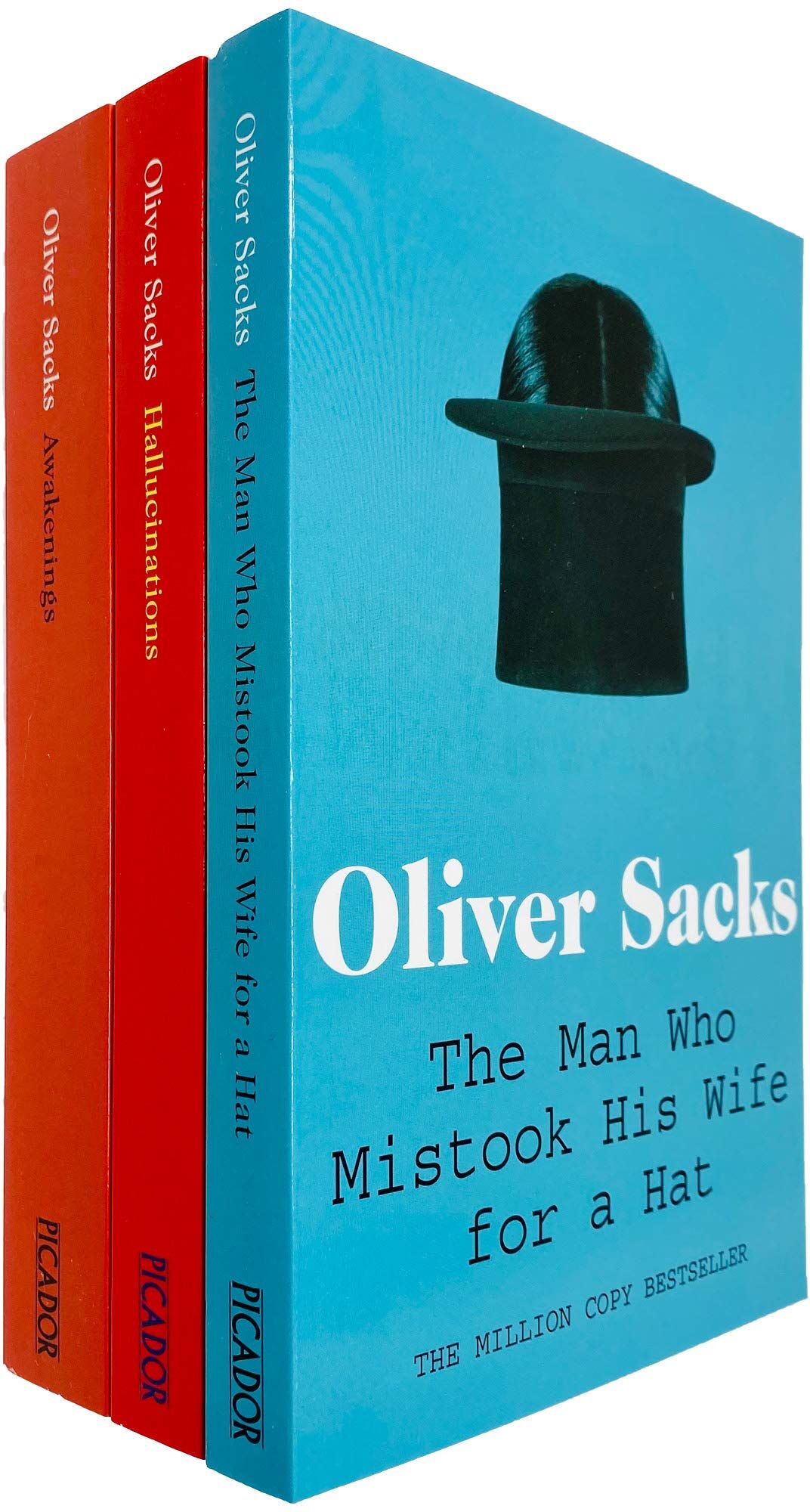
Oliver Sacks 3 Books Collection Set (The Man Who Mistook His Wife for a Hat, Hallucinations, Awakenings) - Non Fiction - Paperback MacmillanTitles in This Set: 1. The Man Who Mistook His Wife for a Hat 2. Hallucinations 3. Awakenings Description: The Man Who Mistook His Wife for a Hat: In his most extraordinary book, The Man Who Mistook His Wife for a Hat, Oliver Sacks recounts the stories of patients lost in the bizarre, apparently inescapable world of neurological disorders. These are case studies of people who have lost their memories and with them the greater part of their pasts; who are no longer able to recognize people or common objects; whose limbs have become alien; who are afflicted and yet are gifted with uncanny artistic or mathematical talents. Hallucinations: In Hallucinations, with his usual elegance, curiosity, and compassion, Dr Oliver Sacks weaves together stories of his patients and of his own mind-altering experiences to illuminate what hallucinations tell us about the organization and structure of our brains, how they have influenced every culture's folklore and art, and why the potential for hallucination is present in us all, a vital part of the human condition. Awakenings: Hailed as a medical classic, and the subject of a major feature film as well as radio and stage plays and various TV documentaries, Awakenings by Oliver Sacks is the extraordinary account of a group of twenty patients. Rendered catatonic by the sleeping-sickness epidemic that swept the world just after the First World War, all twenty had spent forty years in hospital: motionless and speechless; aware of the world around them, but exhibiting no interest in it - until Dr Sacks administered the then-new drug, L-DOPA, which caused them, temporarily, to awake from their decades-long slumber.12,49 £*Shipping: 2,99 £Secure redirect to the provider
-
Picador Oliver Sacks 3 Books Collection Set - The Man Who Mistook His Wife for a Hat, Hallucinations, Awakenings - Paperback Non FictionDiscover the remarkable case studies that made Oliver Sacks one of the most celebrated science writers of his generation. This three-book paperback collection brings together his most acclaimed works of clinical storytelling: The Man Who Mistook His Wife for a Hat, Hallucinations, and Awakenings. Written with compassion, curiosity, and literary flair, each book explores the strange and often profoundly moving territory where neurology meets the human condition, offering readers a rare window into minds working in extraordinary, unexpected ways. The collection includes The Man Who Mistook His Wife for a Hat, which presents a series of case studies of patients who have lost memories, cannot recognize faces or objects, or experience their own limbs as alien intrusions, yet are often gifted with uncanny artistic or mathematical abilities. Hallucinations delves into the world of sensory disorders, while Awakenings explores the remarkable stories of patients who were frozen in catatonia and the doctor who helped them find their way back to the world. This collection is published by Picador and is suitable for adult readers aged 18 and above.12,49 £*Shipping: 2,99 £Secure redirect to the provider
-
What are hallucinations?
Hallucinations are sensory experiences that seem real but are created by the mind. They can involve seeing, hearing, feeling, smelling, or tasting things that are not actually there. Hallucinations can occur in various medical conditions such as schizophrenia, dementia, or substance abuse, as well as in certain sleep disorders or during periods of extreme stress. Treatment for hallucinations typically involves addressing the underlying cause and may include medication or therapy. **
-
Are hallucinations curable?
Hallucinations can be managed and treated, but whether they are curable depends on the underlying cause. For example, hallucinations caused by certain mental health conditions like schizophrenia may require ongoing treatment and management with medication and therapy. On the other hand, hallucinations caused by substance abuse or certain medical conditions may be reversible with appropriate treatment and addressing the underlying cause. It is important for individuals experiencing hallucinations to seek professional help to determine the cause and receive appropriate treatment. **
-
Were those hallucinations?
It is possible that the experiences you had were hallucinations, especially if they involved seeing or hearing things that others did not. Hallucinations can be caused by a variety of factors, including sleep deprivation, stress, and certain medical conditions. It's important to discuss these experiences with a healthcare professional to determine the cause and receive appropriate support or treatment. **
-
Can stress cause hallucinations?
Yes, stress can potentially trigger hallucinations in some individuals. High levels of stress can disrupt the brain's normal functioning and lead to sensory distortions or perceptions that are not based in reality. These hallucinations may be visual, auditory, or tactile in nature. It is important for individuals experiencing stress-related hallucinations to seek help from a mental health professional for proper evaluation and treatment. **
Similar search terms for Hallucinations
-
Plus Size Women's Three-Quarter Sleeve Baseball Tee by Woman Within in Chocolate Field Floral (Size 2X) ShirtClassic baseball tee style with raglan sleeves for a sporty yet feminine look.Comfortable three-quarter sleeves, perfect for various seasons and transitioning weather.Relaxed fit ensures all-day comfort, catering specifically to plus-size...24,99 $*Shipping: 0,00 $Secure redirect to the provider
-
RELAX FIELD TentInstant shelter with customisable coverage. This pop-up gazebo features an adjustable canopy and detachable sidewalls for adaptable sun/rain protection. The rust-resistant steel frame stays sturdy, while the waterproof, UV-blocking fabric keeps you covered. Folds into a compact carry bag for effortless transport to any event RELAX FIELD139,99 £*Shipping: 0,00 £Secure redirect to the provider
-
Cath Kidston Feels Like Home Pitch Jug/VaseAdd a versatile and stylish touch to your home with the Cath Kidston Feels Like Home Pitch Jug / Vase. Designed with Cath Kidston’s signature nostalgic charm, this piece is perfect for serving drinks at the table or displaying fresh flowers as a decorative vase. Its elegant shape and timeless design make it a beautiful addition to any kitchen or dining space. Crafted from durable materials, it’s practical for everyday use yet stylish enough for special occasions. Pair it with other items from the Feels Like Home collection for a coordinated look.34,00 £*Shipping: 3,50 £Secure redirect to the provider
-
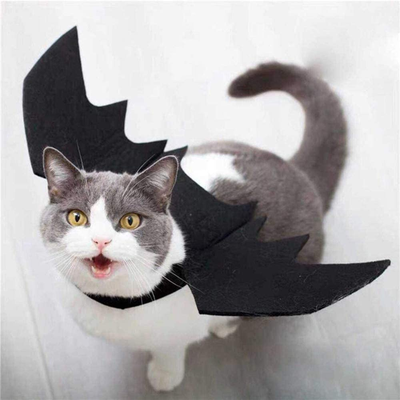
PetsAreLife Black Cat Bat Wings Black Cat Bat WingsWhen Halloween is just around the corner, you have to decide on your dark eve's costume Yes You're going to be a great ghost queen and wickedly funny vampire king. But, the spooky vibes shouldn't refrain to twoleg party animals only. Yep, your...24,97 $*Shipping: 0,00 $Secure redirect to the provider
-
What are nocturnal hallucinations?
Nocturnal hallucinations are vivid and realistic sensory experiences that occur during the night while a person is asleep or transitioning between sleep stages. These hallucinations can involve any of the senses, such as seeing, hearing, feeling, or smelling things that are not actually there. They can be distressing and may be associated with sleep disorders like narcolepsy, sleep paralysis, or parasomnias. Treatment for underlying sleep disorders or stress management techniques may help reduce the frequency of these hallucinations. **
-
What are taste hallucinations?
Taste hallucinations, also known as gustatory hallucinations, are a type of sensory hallucination where a person perceives a taste in their mouth without any external stimuli. These hallucinations can range from pleasant to unpleasant tastes and are often associated with neurological conditions such as epilepsy, brain tumors, or schizophrenia. Taste hallucinations can be disruptive to a person's daily life and may require medical attention to address the underlying cause. **
-
'Real or rather hallucinations?'
Determining whether an experience is real or a hallucination can be challenging, as hallucinations can feel very real to the person experiencing them. It is important to consider the context of the experience, the individual's mental and physical health, and any potential external factors that could contribute to hallucinations. Seeking professional help from a healthcare provider or mental health professional can provide a clearer understanding of the experience and help differentiate between reality and hallucinations. **
-
What are grief hallucinations?
Grief hallucinations are sensory experiences that occur in response to the loss of a loved one. These hallucinations can involve seeing, hearing, smelling, or feeling the presence of the deceased person. They are a common and normal part of the grieving process and can provide comfort and a sense of connection to the person who has passed away. Grief hallucinations are typically temporary and tend to decrease in frequency over time as the individual adjusts to their loss. **
* All prices are inclusive of VAT and, if applicable, plus shipping costs. The offer information is based on the details provided by the respective shop and is updated through automated processes. Real-time updates do not occur, so deviations can occur in individual cases. ** Note: Parts of this content were created by AI.