Buy inning.eu ?
We are moving the project
inning.eu .
Are you interested in purchasing the domain
inning.eu ?
domain@kv-gmbh.de · 0541-91531010
Buy inning.eu ?
How is pressure force transmitted through compressed air?
When air is compressed, the molecules are forced closer together, creating higher pressure. This pressure is transmitted through the air as the molecules collide with each other and with the walls of the container. When the compressed air is released, the pressure force is transmitted through the air as it expands and pushes against its surroundings. This can be harnessed for various applications, such as powering pneumatic tools or creating lift in aircraft. **
Is compressed air warmer than cold air?
No, compressed air is not necessarily warmer than cold air. The temperature of compressed air can vary depending on the conditions under which it was compressed. If the compression process generates heat, then the compressed air may be warmer than the surrounding air. However, if the compression process is adiabatic (no heat exchange), then the compressed air may actually be cooler than the surrounding air due to the decrease in volume. **
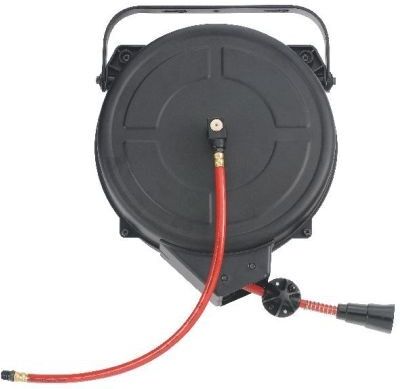
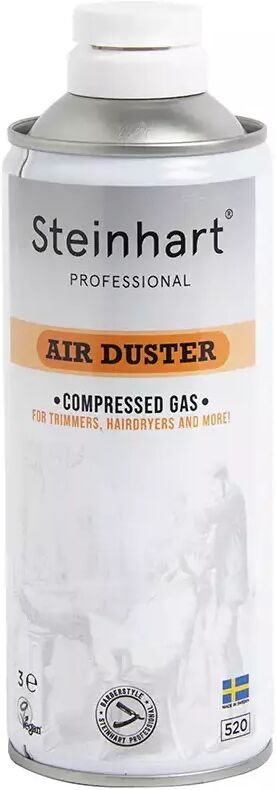
Similar search terms for FORCE-9U0201-Compressed-Air
Top-Angebote
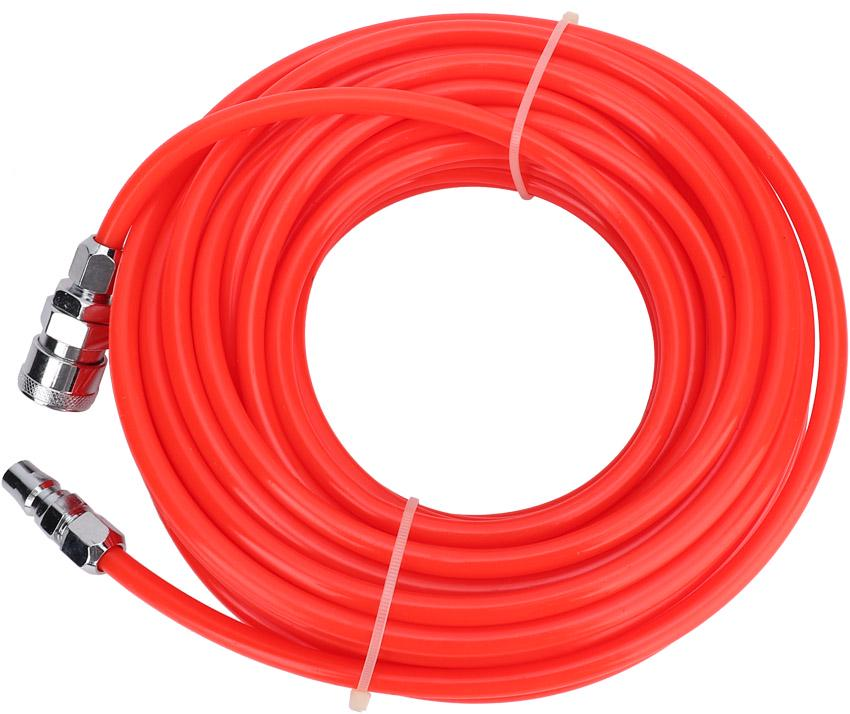
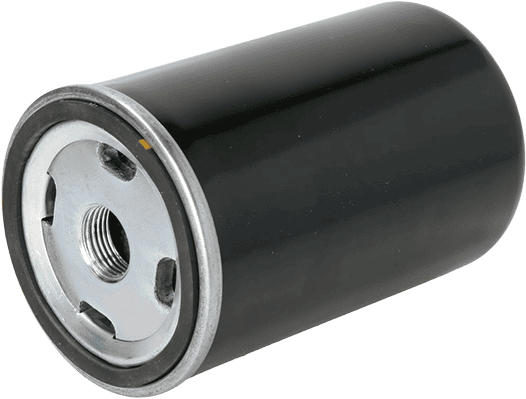
Products related to FORCE-9U0201-Compressed-Air:
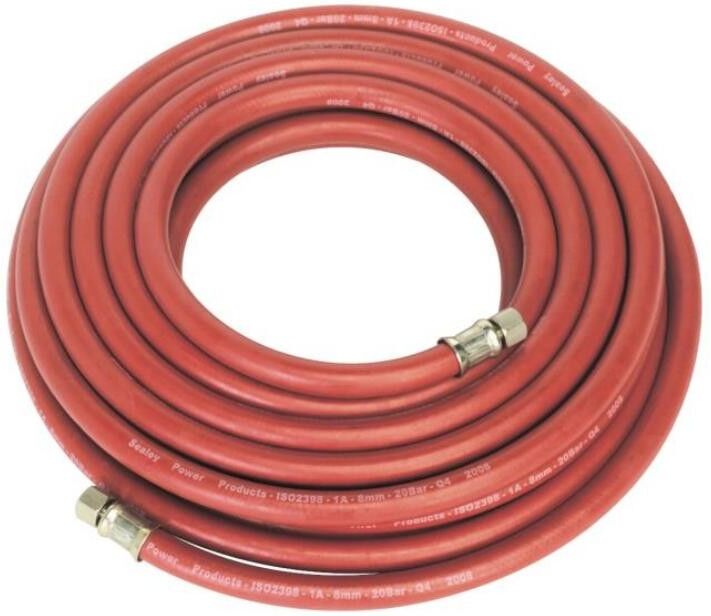
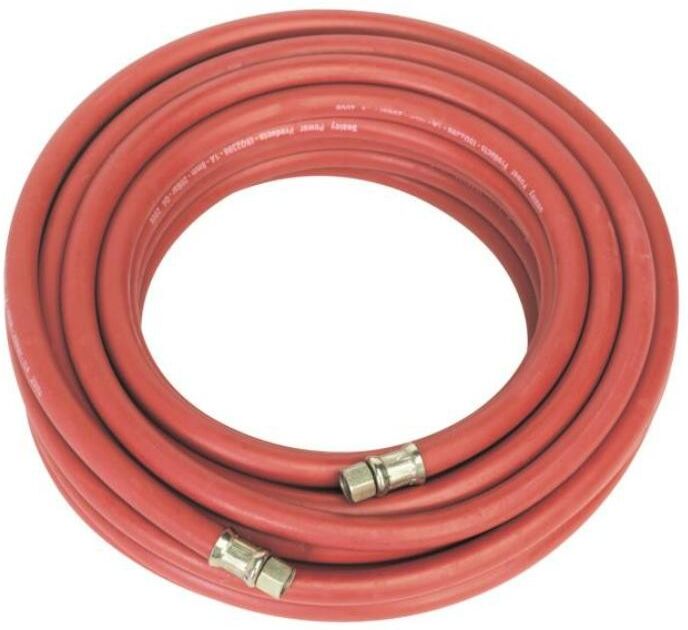
-
How can air be compressed?
Air can be compressed by reducing the volume it occupies. This can be achieved by using a compressor, which forces the air into a smaller space, increasing its pressure and density. Compressors work by using pistons, vanes, or rotating impellers to decrease the volume of the air, resulting in compressed air that can be stored and used for various applications such as powering tools, inflating tires, or operating machinery. **
-
How are calculations carried out with compressed air?
Calculations with compressed air are typically carried out by measuring the pressure, volume, and temperature of the air using specialized instruments such as pressure gauges, flow meters, and thermometers. These measurements are then used in various formulas, such as the ideal gas law, to determine parameters like flow rate, power output, or energy consumption. Engineers and technicians use these calculations to design, optimize, and troubleshoot compressed air systems for various industrial applications. **
-
How much air comes out of a compressed air spray can?
The amount of air that comes out of a compressed air spray can can vary depending on the size and pressure of the can. Typically, a standard compressed air spray can release a burst of air for a few seconds when the nozzle is pressed. This burst of air is usually enough to clean small areas or remove dust from electronics. **
-
What temperature does compressed air have?
Compressed air does not have a specific temperature on its own. The temperature of compressed air depends on the initial temperature of the air before compression, as well as the amount of compression and the surrounding environment. When air is compressed, its temperature increases due to the compression process, but it can cool down again as it expands or is released into the surrounding environment. Therefore, the temperature of compressed air can vary depending on these factors. **

How much can air be compressed?
Air can be compressed to a significant extent, with the maximum compression depending on factors such as temperature, pressure, and the specific properties of the air being compressed. In general, air can be compressed to about 1/1000th of its original volume at standard atmospheric pressure and room temperature. However, with the use of specialized equipment and techniques, air can be compressed even further to achieve higher pressures and smaller volumes for various industrial and scientific applications. **
"Is the compressed air spray flammable?"
Compressed air itself is not flammable, as it is simply air that has been pressurized. However, the contents of the spray can, such as the propellant or the product being sprayed, may be flammable. It is important to check the label or safety data sheet of the specific product to determine if it is flammable. Always use compressed air sprays in a well-ventilated area and away from any potential sources of ignition. **
Top-Angebote
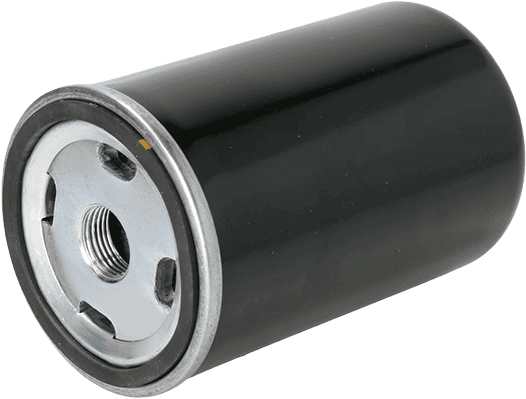
Products related to FORCE-9U0201-Compressed-Air:
-
How is pressure force transmitted through compressed air?
When air is compressed, the molecules are forced closer together, creating higher pressure. This pressure is transmitted through the air as the molecules collide with each other and with the walls of the container. When the compressed air is released, the pressure force is transmitted through the air as it expands and pushes against its surroundings. This can be harnessed for various applications, such as powering pneumatic tools or creating lift in aircraft. **
-
Is compressed air warmer than cold air?
No, compressed air is not necessarily warmer than cold air. The temperature of compressed air can vary depending on the conditions under which it was compressed. If the compression process generates heat, then the compressed air may be warmer than the surrounding air. However, if the compression process is adiabatic (no heat exchange), then the compressed air may actually be cooler than the surrounding air due to the decrease in volume. **
-
How can air be compressed?
Air can be compressed by reducing the volume it occupies. This can be achieved by using a compressor, which forces the air into a smaller space, increasing its pressure and density. Compressors work by using pistons, vanes, or rotating impellers to decrease the volume of the air, resulting in compressed air that can be stored and used for various applications such as powering tools, inflating tires, or operating machinery. **
-
How are calculations carried out with compressed air?
Calculations with compressed air are typically carried out by measuring the pressure, volume, and temperature of the air using specialized instruments such as pressure gauges, flow meters, and thermometers. These measurements are then used in various formulas, such as the ideal gas law, to determine parameters like flow rate, power output, or energy consumption. Engineers and technicians use these calculations to design, optimize, and troubleshoot compressed air systems for various industrial applications. **
Similar search terms for FORCE-9U0201-Compressed-Air
-
How much air comes out of a compressed air spray can?
The amount of air that comes out of a compressed air spray can can vary depending on the size and pressure of the can. Typically, a standard compressed air spray can release a burst of air for a few seconds when the nozzle is pressed. This burst of air is usually enough to clean small areas or remove dust from electronics. **
-
What temperature does compressed air have?
Compressed air does not have a specific temperature on its own. The temperature of compressed air depends on the initial temperature of the air before compression, as well as the amount of compression and the surrounding environment. When air is compressed, its temperature increases due to the compression process, but it can cool down again as it expands or is released into the surrounding environment. Therefore, the temperature of compressed air can vary depending on these factors. **
-
How much can air be compressed?
Air can be compressed to a significant extent, with the maximum compression depending on factors such as temperature, pressure, and the specific properties of the air being compressed. In general, air can be compressed to about 1/1000th of its original volume at standard atmospheric pressure and room temperature. However, with the use of specialized equipment and techniques, air can be compressed even further to achieve higher pressures and smaller volumes for various industrial and scientific applications. **
-
"Is the compressed air spray flammable?"
Compressed air itself is not flammable, as it is simply air that has been pressurized. However, the contents of the spray can, such as the propellant or the product being sprayed, may be flammable. It is important to check the label or safety data sheet of the specific product to determine if it is flammable. Always use compressed air sprays in a well-ventilated area and away from any potential sources of ignition. **
* All prices are inclusive of VAT and, if applicable, plus shipping costs. The offer information is based on the details provided by the respective shop and is updated through automated processes. Real-time updates do not occur, so deviations can occur in individual cases. ** Note: Parts of this content were created by AI.