Buy inning.eu ?
We are moving the project
inning.eu .
Are you interested in purchasing the domain
inning.eu ?
domain@kv-gmbh.de · 0541-91531010
Buy inning.eu ?
How do the field lines run?
The field lines run from the positive charge to the negative charge in an electric field. They represent the direction and strength of the force experienced by a positive test charge placed in the field. The field lines are closer together where the field is stronger, and farther apart where the field is weaker. The field lines never cross each other, as this would imply that a single point in space has two different directions for the electric field, which is not possible. **
How do the electric field lines run?
Electric field lines run from positive charges to negative charges. They originate from positive charges and terminate on negative charges. The density of the field lines is proportional to the strength of the electric field at a particular point. The direction of the electric field lines indicates the direction of the force that a positive test charge would experience if placed in the field. **

Similar search terms for Lines
Top-Angebote
Products related to Lines:
-
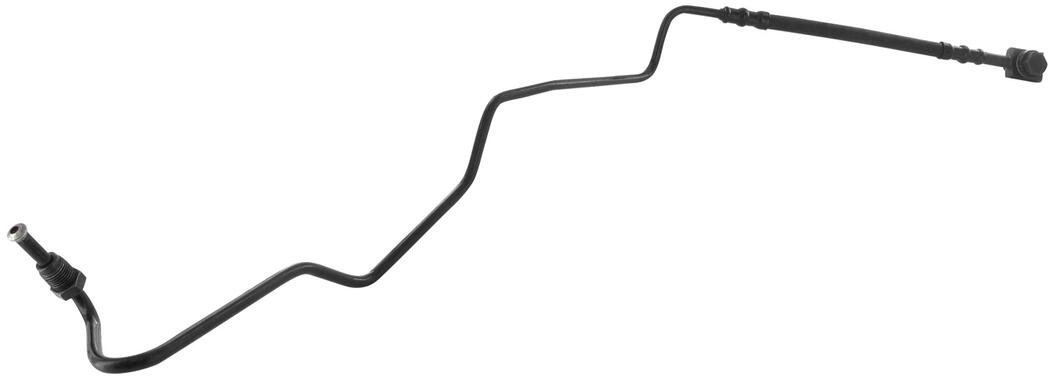
METZGER 2070005 Clutch LinesTransmission Type: for manual transmission, automatically operated; Transmission Code: F13 EASYTRONIC, F17 EASYTRONIC; Fitting Position: Clutch Ancillary Cylinder; Section: Lower Section; Supplementary Article / Supplementary Info Info 2: with breather valve; article number of recommended accessories: 2040004; Left-/right-hand drive vehicles: for left-hand/right-hand drive vehicles88,99 £*Shipping: 8,45 £Secure redirect to the provider
-
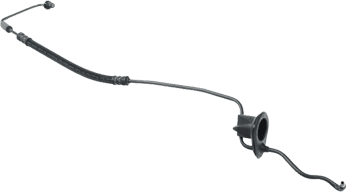
METZGER 4120008 Brake linesFitting Position: Front Axle Right, at brake caliper; Paired product: 4120007; Brake System: ATE; for PR number: 1LB, 1LH, 1LE, 1ZC; Vehicle Identification Number (VIN) to: 3B-3E405 449, 3B-3P432 812, 4B-2-031 500, 3U-39039 96012,49 £*Shipping: 8,45 £Secure redirect to the provider


-
How do the field lines of a magnetic field run?
The field lines of a magnetic field run from the north pole of a magnet to the south pole, forming closed loops. These field lines represent the direction and strength of the magnetic field at any given point. The density of the field lines indicates the strength of the magnetic field, with more lines per unit area indicating a stronger field. The field lines never intersect, as this would imply two different directions for the magnetic field at the same point, which is not possible. **
-
Why are equipotential lines always perpendicular to field lines?
Equipotential lines are always perpendicular to field lines because the electric field is always perpendicular to the equipotential surface. This is because the electric field is the gradient of the electric potential, and the gradient is always perpendicular to the equipotential surface. Therefore, the equipotential lines, which represent points of equal electric potential, must be perpendicular to the electric field lines. This relationship ensures that work done in moving a charge along an equipotential line is zero, as the electric field does no work in a direction perpendicular to its field lines. **
-
How do the magnetic field lines run in a coil?
In a coil, the magnetic field lines run in a series of loops that follow the shape of the coil. The field lines are concentrated within the coil and form a pattern that resembles the shape of the coil. The direction of the magnetic field lines depends on the direction of the current flowing through the coil, following the right-hand rule. The magnetic field lines are strongest inside the coil and become weaker as they extend outside the coil. **
-
What are electric field lines?
Electric field lines are imaginary lines that represent the direction and strength of an electric field in a given region. They point in the direction that a positive test charge would move if placed in the field. The density of the lines indicates the strength of the electric field, with more lines in regions of higher field strength. The lines never intersect, as this would imply multiple directions for the electric field at a single point. **

Are the field lines correct?
Without specific context, it is difficult to determine if the field lines are correct. Field lines are used to represent the direction and strength of a vector field, such as an electric or magnetic field. In order to determine if the field lines are correct, one would need to compare them to the known properties of the vector field in question and ensure that they accurately represent the field's behavior. Without this information, it is not possible to definitively say if the field lines are correct. **
How do vertical lines run?
Vertical lines run straight up and down, perpendicular to the horizon. They do not slant or curve in any direction. Vertical lines are parallel to each other and maintain a consistent distance from one another as they extend infinitely in both directions. **
Top-Angebote
Products related to Lines:
-
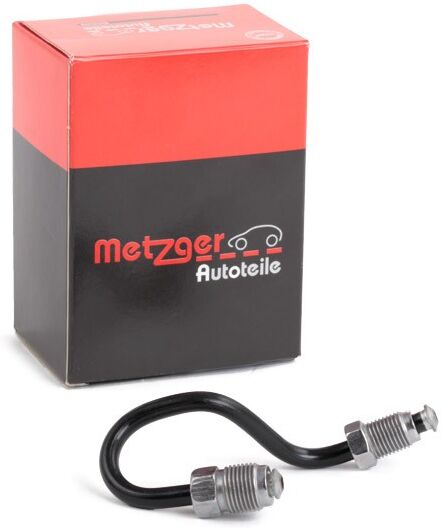
METZGER 2070003 Clutch LinesTransmission Type: Manual Transmission; Transmission Type: 5-Speed Manual Transmission; Left-/right-hand drive vehicles: for left-hand/right-hand drive vehicles; Left-/right-hand drive vehicles: for left-hand drive vehicles; Transmission ID: F17, F13, MZ4, M26, MF3; not for transmission ID: F23; Vehicle Identification Number (VIN) from: 32129413, 35109233, 36044057, 38049430, 4G000001, 3H; Model Year from: 2014, 2015; Model Year to: 2014, 2015; for model code/type code: F08, F35, F48, F69, F70, F75; for type code: F08, F35, F48, F69, F70, F75; Supplementary Article / Supplementary Info Info 2: with clutch slave cylinder; Vehicle Identification Number (VIN) to: B00253, E6999999; Axle Gear ID: F1716,49 £*Shipping: 8,45 £Secure redirect to the provider
-
METZGER 2070005 Clutch LinesTransmission Type: for manual transmission, automatically operated; Transmission Code: F13 EASYTRONIC, F17 EASYTRONIC; Fitting Position: Clutch Ancillary Cylinder; Section: Lower Section; Supplementary Article / Supplementary Info Info 2: with breather valve; article number of recommended accessories: 2040004; Left-/right-hand drive vehicles: for left-hand/right-hand drive vehicles88,99 £*Shipping: 8,45 £Secure redirect to the provider
-
METZGER 4120008 Brake linesFitting Position: Front Axle Right, at brake caliper; Paired product: 4120007; Brake System: ATE; for PR number: 1LB, 1LH, 1LE, 1ZC; Vehicle Identification Number (VIN) to: 3B-3E405 449, 3B-3P432 812, 4B-2-031 500, 3U-39039 96012,49 £*Shipping: 8,45 £Secure redirect to the provider
-
How do the field lines run?
The field lines run from the positive charge to the negative charge in an electric field. They represent the direction and strength of the force experienced by a positive test charge placed in the field. The field lines are closer together where the field is stronger, and farther apart where the field is weaker. The field lines never cross each other, as this would imply that a single point in space has two different directions for the electric field, which is not possible. **
-
How do the electric field lines run?
Electric field lines run from positive charges to negative charges. They originate from positive charges and terminate on negative charges. The density of the field lines is proportional to the strength of the electric field at a particular point. The direction of the electric field lines indicates the direction of the force that a positive test charge would experience if placed in the field. **
-
How do the field lines of a magnetic field run?
The field lines of a magnetic field run from the north pole of a magnet to the south pole, forming closed loops. These field lines represent the direction and strength of the magnetic field at any given point. The density of the field lines indicates the strength of the magnetic field, with more lines per unit area indicating a stronger field. The field lines never intersect, as this would imply two different directions for the magnetic field at the same point, which is not possible. **
-
Why are equipotential lines always perpendicular to field lines?
Equipotential lines are always perpendicular to field lines because the electric field is always perpendicular to the equipotential surface. This is because the electric field is the gradient of the electric potential, and the gradient is always perpendicular to the equipotential surface. Therefore, the equipotential lines, which represent points of equal electric potential, must be perpendicular to the electric field lines. This relationship ensures that work done in moving a charge along an equipotential line is zero, as the electric field does no work in a direction perpendicular to its field lines. **
Similar search terms for Lines
-
How do the magnetic field lines run in a coil?
In a coil, the magnetic field lines run in a series of loops that follow the shape of the coil. The field lines are concentrated within the coil and form a pattern that resembles the shape of the coil. The direction of the magnetic field lines depends on the direction of the current flowing through the coil, following the right-hand rule. The magnetic field lines are strongest inside the coil and become weaker as they extend outside the coil. **
-
What are electric field lines?
Electric field lines are imaginary lines that represent the direction and strength of an electric field in a given region. They point in the direction that a positive test charge would move if placed in the field. The density of the lines indicates the strength of the electric field, with more lines in regions of higher field strength. The lines never intersect, as this would imply multiple directions for the electric field at a single point. **
-
Are the field lines correct?
Without specific context, it is difficult to determine if the field lines are correct. Field lines are used to represent the direction and strength of a vector field, such as an electric or magnetic field. In order to determine if the field lines are correct, one would need to compare them to the known properties of the vector field in question and ensure that they accurately represent the field's behavior. Without this information, it is not possible to definitively say if the field lines are correct. **
-
How do vertical lines run?
Vertical lines run straight up and down, perpendicular to the horizon. They do not slant or curve in any direction. Vertical lines are parallel to each other and maintain a consistent distance from one another as they extend infinitely in both directions. **
* All prices are inclusive of VAT and, if applicable, plus shipping costs. The offer information is based on the details provided by the respective shop and is updated through automated processes. Real-time updates do not occur, so deviations can occur in individual cases. ** Note: Parts of this content were created by AI.