Buy inning.eu ?
We are moving the project
inning.eu .
Are you interested in purchasing the domain
inning.eu ?
domain@kv-gmbh.de · 0541-91531010
Buy inning.eu ?
How can one let out emotions?
One can let out emotions by expressing them through various outlets such as talking to a trusted friend or therapist, writing in a journal, engaging in physical activities like exercise or sports, practicing mindfulness or meditation, or engaging in creative activities like painting or playing music. It is important to find healthy ways to release emotions in order to prevent them from building up and causing harm to one's mental and physical well-being. **
How do I let emotions out?
One way to let emotions out is to find a healthy outlet for expressing them, such as talking to a trusted friend or family member, writing in a journal, or engaging in physical activity like exercise or yoga. It's important to acknowledge and accept your emotions rather than suppressing them, and finding ways to release them in a constructive manner can be beneficial for your mental and emotional well-being. Additionally, seeking professional help from a therapist or counselor can provide valuable support and guidance in processing and managing your emotions. **

Similar search terms for Emotions
Top-Angebote
Products related to Emotions:
-
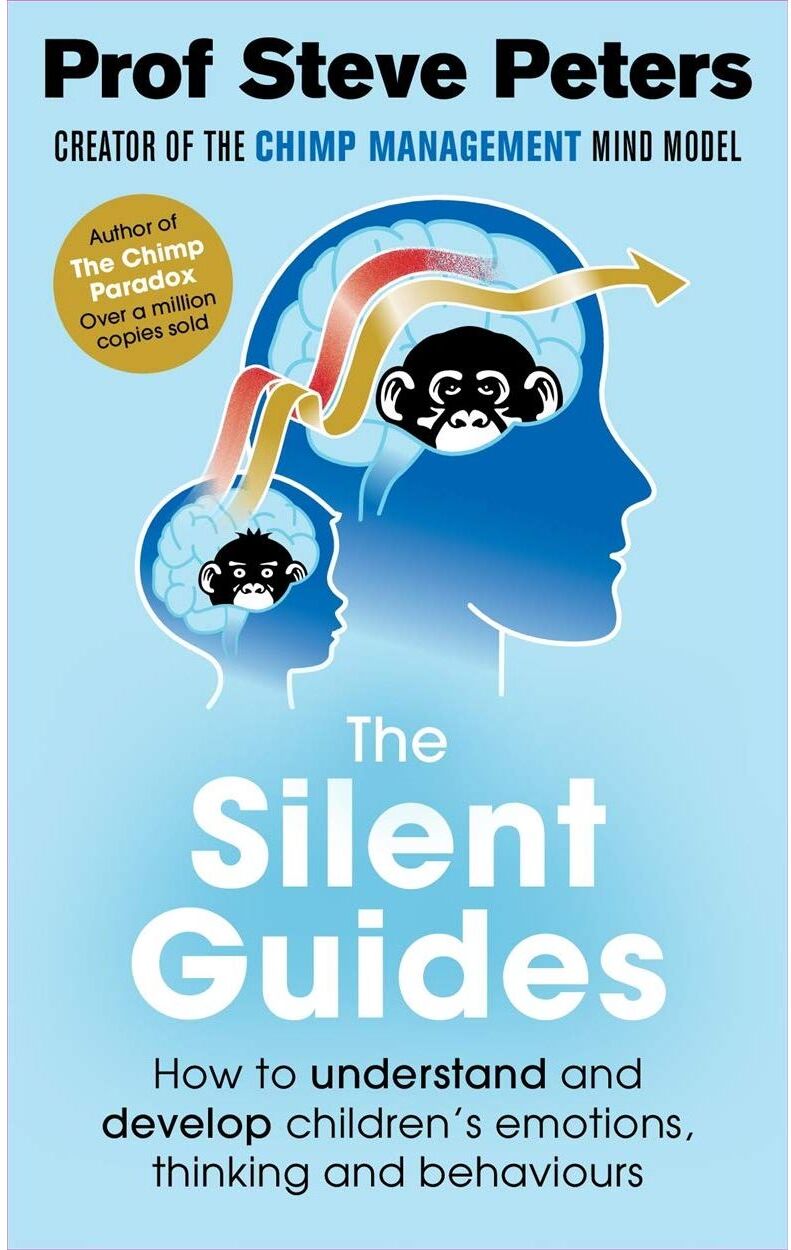
Lagom The Silent Guides: How to understand and develop children's emotions, thinking and behavioursThe Silent Guides: How to understand and develop children's emotions, thinking and behaviours FROM THE AUTHOR OF THE MILLION-COPY SELLING The Chimp ParadoxHow can we help our children:· become more resilient?· get over mistakes?· develop a positive outlook?And, what can we do to become better role models?Prof Steve Peters uses his Chimp Mind Management Model to help parents, teachers and carers understand the neuroscience behind unconscious beliefs and habits that may be silently guiding children's emotions, thinking and behaviours. The Silent Guides explores ten positive habits and many related themes taken from the children's educational book My Hidden Chimp. Prof Steve Peters helps challenge unhelpful behaviours such as:· being overly self-critical· fear of failure· low self-esteem8,99 £*Shipping: 2,99 £Secure redirect to the provider
-
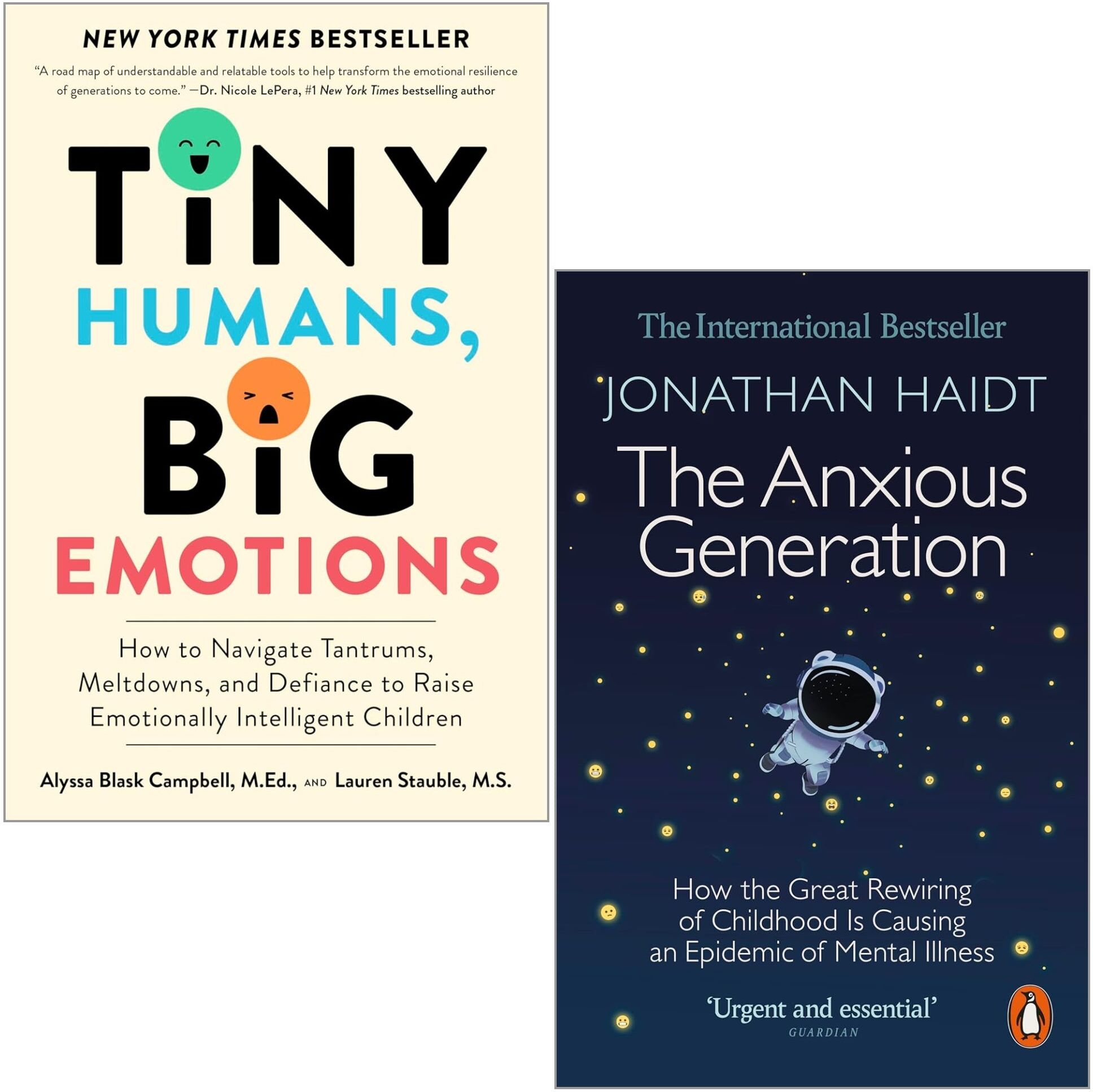
Harvent/Penguin Tiny Humans, Big Emotions and The Anxious Generation 2 Books Collection SetTiny Humans, Big Emotions and The Anxious Generation 2 Books Collection Set Tiny Humans, Big Emotions by Alyssa Blask Campbell, Lauren Elizabeth Stauble The Future is Emotionally Intelligent From two early childhood experts, an essential parenting guide for toddler behavior that empowers parents to help their little ones navigate their big feelings—including tantrums, outbursts, and separation anxiety—while laying the groundwork for a lifetime of emotional intelligence. We’re in the midst of a parenting revolution that is radically changing the way we raise our kids. Gone are the days of minimizing emotions: Don’t Cry. You’re Fine. Don’t Make a Scene. As our understanding of developing brains has increased, today’s parents are embracing conscious parenting and looking for a new way to help their children understand their feelings and learn to process them. The Anxious Generation by Jonathan Haidt Acclaimed psychologist Jonathan Haidt reveals how the decline of free-play in childhood and the rise of smartphone use among adolescents is changing our world From 2010, as teens traded in their flip phones for smartphones packed with social media apps, unsupervised time online soared while face-to-face conversations with friends and family plummeted, and so did mental health. This profound shift took place against a backdrop of diminishing childhood freedom and over-supervision in the real world, depriving children of the experiences they most need to become strong and self-governing adults.14,99 £*Shipping: 2,99 £Secure redirect to the provider
-
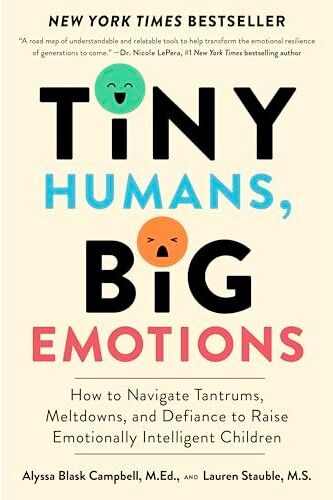
Harvest Tiny Humans, Big Emotions: How to Navigate Tantrums, Meltdowns, and Defiance to Raise Emotionally Intelligent ChildrenThe Future is Emotionally Intelligent From two early childhood experts, an essential parenting guide for toddler behavior that empowers parents to help their little ones navigate their big feelings—including tantrums, outbursts, and separation anxiety—while laying the groundwork for a lifetime of emotional intelligence. We’re in the midst of a parenting revolution that is radically changing the way we raise our kids. Gone are the days of minimizing emotions: Don’t Cry. You’re Fine. Don’t Make a Scene. As our understanding of developing brains has increased, today’s parents are embracing conscious parenting and looking for a new way to help their children understand their feelings and learn to process them. Emotional development experts Alyssa Blask Campbell, M.Ed. and Lauren Stauble M.S. are at the forefront of a movement to foster little ones’ emotional intelligence. Their revolutionary Collaborative Emotion Processing (CEP) method has been a game changer for parents and educators, and now they are sharing it with readers in this indispensable guide. Tiny Humans, Big Emotions provides the tools to tackle every sort of stressful child-rearing situation, including: • What to do when your child throws a tantrum (it's not what you think!) • Helpful scripts to handle any challenging moment like school refusal and bedtime resistance • How to react when your child hits, punches, or bites • Easy tips that help regulate your child’s nervous system • How to anticipate and end meltdowns before they even begin Designed for all humans—tiny and big—this book shows caregivers of children how to handle challenging behaviors and outbursts while empowering them to recognize and manage difficult feelings like anger, sadness, and shame, along with anxiety. All caregivers will find valuable insights and guidance in this book, especially those caring for children from infancy to age eight. Tiny Humans, Big Emotions equips adults with tools for emotional intelligence so they can respond with intention. This innovative, research-based approach teaches children self-regulation, empathy, and effective coping strategies, even as it strengthens the parent-child relationship, setting the groundwork for a lifetime of emotional resilience and wellbeing. This book is an essential, empathetic guide for gentle parenting that will teach parents to notice their own habits and hold space for their tiny human's big emotions.5,99 £*Shipping: 2,99 £Secure redirect to the provider
-
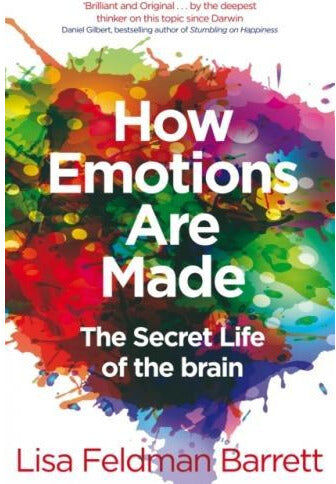
MACMILLAN How Emotions Are Made – The Secret Life of the Brain by Lisa Feldman Barrett Neuroscience & Psychology BestsellerDiscover a groundbreaking new understanding of the human mind with How Emotions Are Made: The Secret Life of the Brain by Lisa Feldman Barrett. Challenging long-held beliefs about how emotions work, neuroscientist Lisa Feldman Barrett presents a revolutionary theory explaining that emotions are not universal reactions, but are actively constructed by the brain. Drawing on cutting-edge research in psychology and neuroscience, the book reveals how the brain predicts, interprets, and shapes our emotional experiences. Written in an accessible and engaging style, this bestseller reshapes how we think about feelings, decision-making, mental health, and human behavior. It’s essential reading for anyone interested in psychology, neuroscience, self-understanding, and emotional intelligence. Why Readers Love This Book: Revolutionary insights into how emotions are created Based on modern neuroscience research Accessible explanations for general readers Practical implications for mental well-being Ideal for psychology and science enthusiasts A thought-provoking exploration of the brain, How Emotions Are Made changes how we understand what it means to feel.3,99 £*Shipping: 1,99 £Secure redirect to the provider
-
Did he run away from too many emotions?
It is possible that he ran away from too many emotions. Running away from emotions can be a coping mechanism for some people when they feel overwhelmed or unable to handle their feelings. It is important for individuals to address and process their emotions in a healthy way, rather than avoiding them. Seeking support from friends, family, or a mental health professional can help in managing and understanding emotions. **
-
Was the baseball bat confiscated?
Yes, the baseball bat was confiscated by the security personnel at the airport. They deemed it as a potential weapon and therefore it was not allowed to be brought onto the plane. The passenger had to surrender the baseball bat before proceeding to the boarding area. **
-
Which baseball bat is better?
The best baseball bat for you will depend on your personal preferences and playing style. Factors to consider when choosing a bat include material, weight, length, and barrel size. It is recommended to try out different bats to see which one feels the most comfortable and helps you perform at your best on the field. Ultimately, the best baseball bat is the one that suits your individual needs and helps you excel in the game. **
-
How can one practice acting out emotions?
One can practice acting out emotions by first understanding the specific emotion they want to portray. They can then observe and study how people naturally express that emotion in real life or in films. Next, they can practice embodying the emotion themselves, using their body language, facial expressions, and voice to convey the feeling authentically. It can also be helpful to work with a coach or take acting classes to receive feedback and guidance on how to effectively convey emotions on stage or on camera. Finally, practicing improvisation and role-playing can also help actors to develop their ability to authentically express a wide range of emotions. **

What are emotions?
Emotions are complex psychological and physiological states that are triggered by specific stimuli or events. They can manifest as feelings such as happiness, sadness, anger, fear, or surprise, and can influence our thoughts, behaviors, and actions. Emotions play a crucial role in our social interactions, decision-making processes, and overall well-being. They are a fundamental aspect of human experience and are essential for navigating the world around us. **
Are emotions irrational?
Emotions are not inherently irrational, as they are a natural and important part of human experience. Emotions can be influenced by our thoughts, beliefs, and past experiences, but they also serve important functions in guiding our behavior and decision-making. While emotions can sometimes lead to irrational behavior, they can also provide valuable information about our needs and desires. It is important to acknowledge and understand our emotions in order to make rational decisions and effectively navigate our relationships and experiences. **
Top-Angebote
Products related to Emotions:
-
Plannatur Emotions Level 60 TabletsNutrition and Supplements Natural Extracts Plannatur Emotions Level 60 Tablets Supplement based on substances that have associated adaptogenic properties such as rhodiola. Vitamin C helps reduce tiredness and fatigue. Instructions for use: Take 1 to 2 tablets a day, one at breakfast and one at lunch.18,13 £*Shipping: 3,99 £Secure redirect to the provider
-
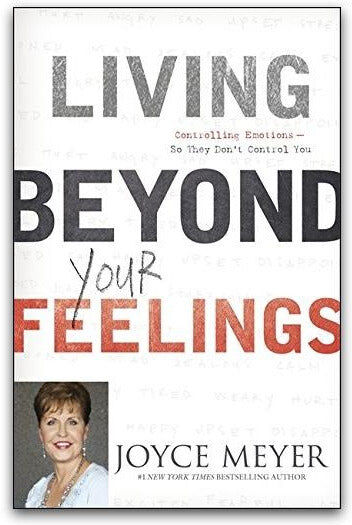
Hodder & Stoughton Living Beyond Your Feelings : Controlling Emotions So They Don't Control YouThe average person has 70,000 thoughts every day, and many of those thoughts trigger a corresponding emotion. No wonder so many of us often feel like we're controlled by our emotions. Our lives would be much improved if we controlled them.In LIVING BEYOND YOUR FEELINGS, Joyce Meyer examines the gamut of feelings that human beings experience. She discusses the way that the brain processes and stores memories and thoughts, and then - emotion by emotion - she explains how we can manage our reactions to those emotions. Through this, she gives the reader a toolbox for managing the way we react to the onslaught of feelings that can wreak havoc on our lives.5,79 £*Shipping: 2,99 £Secure redirect to the provider
-
Lagom The Silent Guides: How to understand and develop children's emotions, thinking and behavioursThe Silent Guides: How to understand and develop children's emotions, thinking and behaviours FROM THE AUTHOR OF THE MILLION-COPY SELLING The Chimp ParadoxHow can we help our children:· become more resilient?· get over mistakes?· develop a positive outlook?And, what can we do to become better role models?Prof Steve Peters uses his Chimp Mind Management Model to help parents, teachers and carers understand the neuroscience behind unconscious beliefs and habits that may be silently guiding children's emotions, thinking and behaviours. The Silent Guides explores ten positive habits and many related themes taken from the children's educational book My Hidden Chimp. Prof Steve Peters helps challenge unhelpful behaviours such as:· being overly self-critical· fear of failure· low self-esteem8,99 £*Shipping: 2,99 £Secure redirect to the provider
-
Harvent/Penguin Tiny Humans, Big Emotions and The Anxious Generation 2 Books Collection SetTiny Humans, Big Emotions and The Anxious Generation 2 Books Collection Set Tiny Humans, Big Emotions by Alyssa Blask Campbell, Lauren Elizabeth Stauble The Future is Emotionally Intelligent From two early childhood experts, an essential parenting guide for toddler behavior that empowers parents to help their little ones navigate their big feelings—including tantrums, outbursts, and separation anxiety—while laying the groundwork for a lifetime of emotional intelligence. We’re in the midst of a parenting revolution that is radically changing the way we raise our kids. Gone are the days of minimizing emotions: Don’t Cry. You’re Fine. Don’t Make a Scene. As our understanding of developing brains has increased, today’s parents are embracing conscious parenting and looking for a new way to help their children understand their feelings and learn to process them. The Anxious Generation by Jonathan Haidt Acclaimed psychologist Jonathan Haidt reveals how the decline of free-play in childhood and the rise of smartphone use among adolescents is changing our world From 2010, as teens traded in their flip phones for smartphones packed with social media apps, unsupervised time online soared while face-to-face conversations with friends and family plummeted, and so did mental health. This profound shift took place against a backdrop of diminishing childhood freedom and over-supervision in the real world, depriving children of the experiences they most need to become strong and self-governing adults.14,99 £*Shipping: 2,99 £Secure redirect to the provider
-
How can one let out emotions?
One can let out emotions by expressing them through various outlets such as talking to a trusted friend or therapist, writing in a journal, engaging in physical activities like exercise or sports, practicing mindfulness or meditation, or engaging in creative activities like painting or playing music. It is important to find healthy ways to release emotions in order to prevent them from building up and causing harm to one's mental and physical well-being. **
-
How do I let emotions out?
One way to let emotions out is to find a healthy outlet for expressing them, such as talking to a trusted friend or family member, writing in a journal, or engaging in physical activity like exercise or yoga. It's important to acknowledge and accept your emotions rather than suppressing them, and finding ways to release them in a constructive manner can be beneficial for your mental and emotional well-being. Additionally, seeking professional help from a therapist or counselor can provide valuable support and guidance in processing and managing your emotions. **
-
Did he run away from too many emotions?
It is possible that he ran away from too many emotions. Running away from emotions can be a coping mechanism for some people when they feel overwhelmed or unable to handle their feelings. It is important for individuals to address and process their emotions in a healthy way, rather than avoiding them. Seeking support from friends, family, or a mental health professional can help in managing and understanding emotions. **
-
Was the baseball bat confiscated?
Yes, the baseball bat was confiscated by the security personnel at the airport. They deemed it as a potential weapon and therefore it was not allowed to be brought onto the plane. The passenger had to surrender the baseball bat before proceeding to the boarding area. **
Similar search terms for Emotions
-
Harvest Tiny Humans, Big Emotions: How to Navigate Tantrums, Meltdowns, and Defiance to Raise Emotionally Intelligent ChildrenThe Future is Emotionally Intelligent From two early childhood experts, an essential parenting guide for toddler behavior that empowers parents to help their little ones navigate their big feelings—including tantrums, outbursts, and separation anxiety—while laying the groundwork for a lifetime of emotional intelligence. We’re in the midst of a parenting revolution that is radically changing the way we raise our kids. Gone are the days of minimizing emotions: Don’t Cry. You’re Fine. Don’t Make a Scene. As our understanding of developing brains has increased, today’s parents are embracing conscious parenting and looking for a new way to help their children understand their feelings and learn to process them. Emotional development experts Alyssa Blask Campbell, M.Ed. and Lauren Stauble M.S. are at the forefront of a movement to foster little ones’ emotional intelligence. Their revolutionary Collaborative Emotion Processing (CEP) method has been a game changer for parents and educators, and now they are sharing it with readers in this indispensable guide. Tiny Humans, Big Emotions provides the tools to tackle every sort of stressful child-rearing situation, including: • What to do when your child throws a tantrum (it's not what you think!) • Helpful scripts to handle any challenging moment like school refusal and bedtime resistance • How to react when your child hits, punches, or bites • Easy tips that help regulate your child’s nervous system • How to anticipate and end meltdowns before they even begin Designed for all humans—tiny and big—this book shows caregivers of children how to handle challenging behaviors and outbursts while empowering them to recognize and manage difficult feelings like anger, sadness, and shame, along with anxiety. All caregivers will find valuable insights and guidance in this book, especially those caring for children from infancy to age eight. Tiny Humans, Big Emotions equips adults with tools for emotional intelligence so they can respond with intention. This innovative, research-based approach teaches children self-regulation, empathy, and effective coping strategies, even as it strengthens the parent-child relationship, setting the groundwork for a lifetime of emotional resilience and wellbeing. This book is an essential, empathetic guide for gentle parenting that will teach parents to notice their own habits and hold space for their tiny human's big emotions.5,99 £*Shipping: 2,99 £Secure redirect to the provider
-
MACMILLAN How Emotions Are Made – The Secret Life of the Brain by Lisa Feldman Barrett Neuroscience & Psychology BestsellerDiscover a groundbreaking new understanding of the human mind with How Emotions Are Made: The Secret Life of the Brain by Lisa Feldman Barrett. Challenging long-held beliefs about how emotions work, neuroscientist Lisa Feldman Barrett presents a revolutionary theory explaining that emotions are not universal reactions, but are actively constructed by the brain. Drawing on cutting-edge research in psychology and neuroscience, the book reveals how the brain predicts, interprets, and shapes our emotional experiences. Written in an accessible and engaging style, this bestseller reshapes how we think about feelings, decision-making, mental health, and human behavior. It’s essential reading for anyone interested in psychology, neuroscience, self-understanding, and emotional intelligence. Why Readers Love This Book: Revolutionary insights into how emotions are created Based on modern neuroscience research Accessible explanations for general readers Practical implications for mental well-being Ideal for psychology and science enthusiasts A thought-provoking exploration of the brain, How Emotions Are Made changes how we understand what it means to feel.3,99 £*Shipping: 1,99 £Secure redirect to the provider
-
Rupa Publications What Feeling Is That? by Moonstone - Board Book - Ages 1-4 - Toddler Emotions & Feelings First BookWhat Feeling Is That? by Moonstone is a bright, sturdy board book that introduces toddlers to the world of emotions. Through simple everyday scenes and gentle prompts, little readers are encouraged to point, name, and talk about how people might be feeling. This 24-page board book is perfect for shared reading, helping to build vocabulary and confidence from the very first page. Published by Rupa Publications, it's a great way to teach young children to recognize and name feelings in a fun and interactive way.2,99 £*Shipping: 2,99 £Secure redirect to the provider
-
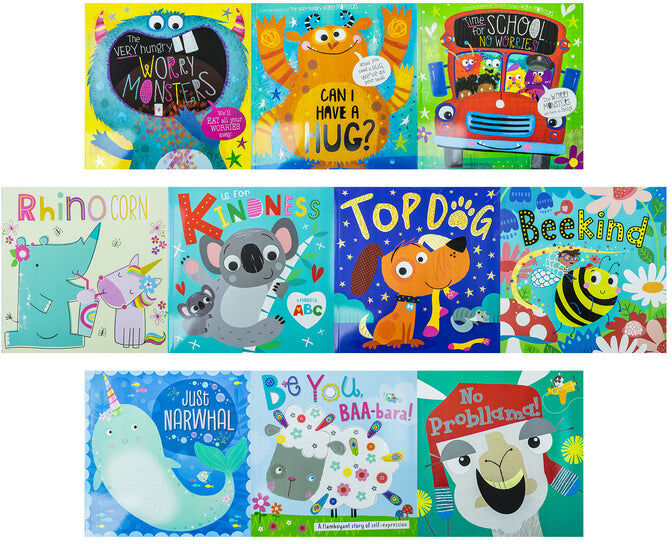
Fox Eye Publishing Very Hungry Worry Monster Behaviour & Emotions 10 Books Collection Set – Emotional Learning Collection for KidsThe Very Hungry Worry Monster Behaviour and Emotions Library 10-book set is a delightful collection designed to help children understand emotions, develop empathy, and build confidence through fun stories and lovable characters. Each title focuses on a key theme, making it a perfect tool for parents and educators alike. Can I Have a Hug? – A heartwarming story that teaches children the importance of love, comfort, and asking for a hug when they need it. Time for School No Worries – A reassuring tale to ease first-day-of-school jitters and boost confidence in young readers. Bee Kind – A sweet reminder of how small acts of kindness can make a big difference in the world. Be You – Encourages children to embrace their uniqueness and celebrate who they truly are. Rhino Corn – A fun and imaginative story about being proud of your individuality, no matter how different you feel. K Is for Kindness – An alphabet journey that showcases kindness through every letter and reminds children that it's easy to be kind. The Very Hungry Worry Monster – This lovable monster teaches kids how to manage their worries by "feeding" them to the worry monster. No Probllama – A laid-back llama shows children how to relax and let go of their little problems with a positive attitude. Be You BAA-bara – A sheep named BAA-bara learns to stand out from the flock and be herself, inspiring self-confidence. Just Narwhal – Narwhal discovers that being yourself is the greatest gift of all in this enchanting tale of self-acceptance. Top Dog – A story that teaches children leadership skills and how to take charge with kindness and empathy. This engaging set is a wonderful way for children to explore their emotions and learn valuable life lessons in a fun, gentle, and colorful way.15,99 £*Shipping: 2,99 £Secure redirect to the provider
-
Which baseball bat is better?
The best baseball bat for you will depend on your personal preferences and playing style. Factors to consider when choosing a bat include material, weight, length, and barrel size. It is recommended to try out different bats to see which one feels the most comfortable and helps you perform at your best on the field. Ultimately, the best baseball bat is the one that suits your individual needs and helps you excel in the game. **
-
How can one practice acting out emotions?
One can practice acting out emotions by first understanding the specific emotion they want to portray. They can then observe and study how people naturally express that emotion in real life or in films. Next, they can practice embodying the emotion themselves, using their body language, facial expressions, and voice to convey the feeling authentically. It can also be helpful to work with a coach or take acting classes to receive feedback and guidance on how to effectively convey emotions on stage or on camera. Finally, practicing improvisation and role-playing can also help actors to develop their ability to authentically express a wide range of emotions. **
-
What are emotions?
Emotions are complex psychological and physiological states that are triggered by specific stimuli or events. They can manifest as feelings such as happiness, sadness, anger, fear, or surprise, and can influence our thoughts, behaviors, and actions. Emotions play a crucial role in our social interactions, decision-making processes, and overall well-being. They are a fundamental aspect of human experience and are essential for navigating the world around us. **
-
Are emotions irrational?
Emotions are not inherently irrational, as they are a natural and important part of human experience. Emotions can be influenced by our thoughts, beliefs, and past experiences, but they also serve important functions in guiding our behavior and decision-making. While emotions can sometimes lead to irrational behavior, they can also provide valuable information about our needs and desires. It is important to acknowledge and understand our emotions in order to make rational decisions and effectively navigate our relationships and experiences. **
* All prices are inclusive of VAT and, if applicable, plus shipping costs. The offer information is based on the details provided by the respective shop and is updated through automated processes. Real-time updates do not occur, so deviations can occur in individual cases. ** Note: Parts of this content were created by AI.