Buy inning.eu ?
We are moving the project
inning.eu .
Are you interested in purchasing the domain
inning.eu ?
domain@kv-gmbh.de · 0541-91531010
Buy inning.eu ?
Why are demonstrative pronouns called demonstrative pronouns?
Demonstrative pronouns are called demonstrative because they demonstrate or point to a specific noun or pronoun in a sentence. They help to indicate the position or location of the noun or pronoun in relation to the speaker or listener. By using demonstrative pronouns such as "this," "that," "these," and "those," speakers can make their communication more precise and clear by specifying which person, place, thing, or idea they are referring to. **
What is the difference between demonstrative pronouns and demonstrative determiners in French?
In French, demonstrative pronouns (ce, cette, ces) stand alone to replace a noun, while demonstrative determiners (ce/cet, cette, ces) are used with a noun to indicate which specific thing or person is being referred to. For example, "Ce livre est intéressant" uses the demonstrative determiner "ce" with the noun "livre," while "Celui-ci est intéressant" uses the demonstrative pronoun "celui-ci" to replace the noun "livre." Demonstrative determiners are used before a noun, while demonstrative pronouns are used in place of a noun. **


Similar search terms for Demonstrative
Top-Angebote
Products related to Demonstrative:
-
Multicon Wholesale Hub Lathe Knurling Tool Set Double Wheel Diagonal Pitch Lathe Knurling Tool Set Double Wheel Diagonal PitchCreate cleaner, more secure grip patterns on metal parts with a tool set built for confident, detailed lathe work. This lathe knurling tool set is designed for machinists, repair shops, metalworkers, and DIY makers who need reliable texture on...73,97 $*Shipping: 0,00 $Secure redirect to the provider
-
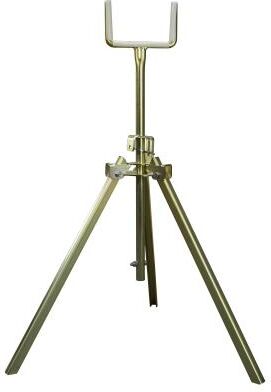
KWM Gutterman Inc. KWM Gutterman Run Out Stand StandardThe KWM Gutterman Run Out Stand is a mobile standalone unit that supports the gutter as it exits the gutter machine. These adjustable tripod stands come with folding legs for easy storage and a changeable height bar to accommodate any desired...175,09 $*Shipping: 0,00 $Secure redirect to the provider
-
Plus Size Women's Three-Quarter Sleeve Baseball Tee by Woman Within in Chocolate Field Floral (Size 1X) ShirtClassic baseball tee style with raglan sleeves for a sporty yet feminine look.Comfortable three-quarter sleeves, perfect for various seasons and transitioning weather.Relaxed fit ensures all-day comfort, catering specifically to plus-size...24,99 $*Shipping: 0,00 $Secure redirect to the provider



-
Does French have the demonstrative determiner "cettes"?
No, French does not have the demonstrative determiner "cettes." The correct forms of the demonstrative determiner in French are "cette" for singular feminine nouns, "ce" for singular masculine nouns, and "ces" for plural nouns regardless of gender. "Cettes" is not a standard form in the French language. **
-
What are demonstrative pronouns and relative pronouns?
Demonstrative pronouns are pronouns that are used to point to specific things or people. Examples of demonstrative pronouns include "this," "that," "these," and "those." Relative pronouns are pronouns that introduce dependent clauses and connect them to independent clauses. Examples of relative pronouns include "who," "whom," "whose," "which," and "that." **
-
How do I use demonstrative pronouns correctly?
Demonstrative pronouns, such as "this," "that," "these," and "those," are used to point out specific people, places, or things. Use "this" and "these" to refer to something that is nearby or close in time, and use "that" and "those" to refer to something that is farther away or in the past. For example, you can say "This is my book" when referring to a book that is nearby, and "That was a great movie" when referring to a movie that you saw in the past. Make sure to match the demonstrative pronoun with the singular or plural noun it is replacing, and use the appropriate form (this/that or these/those) based on the distance or time. **
-
What is the demonstrative pronoun in French?
The demonstrative pronouns in French are "ce," "cette," "ces," and "cet" for singular and plural forms. These pronouns are used to point out or demonstrate specific people, places, or things. They agree in gender and number with the noun they refer to, and their usage depends on the proximity of the object being referred to. **


How does demonstrative silence manifest itself in lovers?
Demonstrative silence in lovers can manifest itself in various ways. It may occur during moments of deep emotional connection, where words are not needed to express their feelings for each other. It can also be a form of understanding and support, where one partner chooses to remain silent to give the other space to process their thoughts or emotions. In some cases, demonstrative silence can be a way for lovers to communicate without words, using nonverbal cues and gestures to convey their love and affection. **
Is it a demonstrative or personal pronoun in Latin?
In Latin, "hic" is a demonstrative pronoun. Demonstrative pronouns in Latin are used to point out specific things or people, while personal pronouns are used to refer to individuals or groups. "Hic" specifically means "this" or "these" and is used to indicate something close to the speaker. **
Top-Angebote
Products related to Demonstrative:
-
Bat Lantern - Wings Out - Grandin RoadDurable, detailed resin; chain to hang. Spooky, low-glow Edison bulb at center. Indoor/outdoor versatility. Polyresin body; sturdy metal chain. Includes one, Edison bulb-style LED. Three-way switch: on/off/optional 6-hour timer. Powered by three AA...99,00 $*Shipping: 14,95 $Secure redirect to the provider
-
Multicon Wholesale Hub Lathe Knurling Tool Set Double Wheel Diagonal Pitch Lathe Knurling Tool Set Double Wheel Diagonal PitchCreate cleaner, more secure grip patterns on metal parts with a tool set built for confident, detailed lathe work. This lathe knurling tool set is designed for machinists, repair shops, metalworkers, and DIY makers who need reliable texture on...73,97 $*Shipping: 0,00 $Secure redirect to the provider
-
Why are demonstrative pronouns called demonstrative pronouns?
Demonstrative pronouns are called demonstrative because they demonstrate or point to a specific noun or pronoun in a sentence. They help to indicate the position or location of the noun or pronoun in relation to the speaker or listener. By using demonstrative pronouns such as "this," "that," "these," and "those," speakers can make their communication more precise and clear by specifying which person, place, thing, or idea they are referring to. **
-
What is the difference between demonstrative pronouns and demonstrative determiners in French?
In French, demonstrative pronouns (ce, cette, ces) stand alone to replace a noun, while demonstrative determiners (ce/cet, cette, ces) are used with a noun to indicate which specific thing or person is being referred to. For example, "Ce livre est intéressant" uses the demonstrative determiner "ce" with the noun "livre," while "Celui-ci est intéressant" uses the demonstrative pronoun "celui-ci" to replace the noun "livre." Demonstrative determiners are used before a noun, while demonstrative pronouns are used in place of a noun. **
-
Does French have the demonstrative determiner "cettes"?
No, French does not have the demonstrative determiner "cettes." The correct forms of the demonstrative determiner in French are "cette" for singular feminine nouns, "ce" for singular masculine nouns, and "ces" for plural nouns regardless of gender. "Cettes" is not a standard form in the French language. **
-
What are demonstrative pronouns and relative pronouns?
Demonstrative pronouns are pronouns that are used to point to specific things or people. Examples of demonstrative pronouns include "this," "that," "these," and "those." Relative pronouns are pronouns that introduce dependent clauses and connect them to independent clauses. Examples of relative pronouns include "who," "whom," "whose," "which," and "that." **
Similar search terms for Demonstrative
-
KWM Gutterman Inc. KWM Gutterman Run Out Stand StandardThe KWM Gutterman Run Out Stand is a mobile standalone unit that supports the gutter as it exits the gutter machine. These adjustable tripod stands come with folding legs for easy storage and a changeable height bar to accommodate any desired...175,09 $*Shipping: 0,00 $Secure redirect to the provider
-
Plus Size Women's Three-Quarter Sleeve Baseball Tee by Woman Within in Chocolate Field Floral (Size 1X) ShirtClassic baseball tee style with raglan sleeves for a sporty yet feminine look.Comfortable three-quarter sleeves, perfect for various seasons and transitioning weather.Relaxed fit ensures all-day comfort, catering specifically to plus-size...24,99 $*Shipping: 0,00 $Secure redirect to the provider
-
Plus Size Women's Three-Quarter Sleeve Baseball Tee by Woman Within in Chocolate Field Floral (Size 2X) ShirtClassic baseball tee style with raglan sleeves for a sporty yet feminine look.Comfortable three-quarter sleeves, perfect for various seasons and transitioning weather.Relaxed fit ensures all-day comfort, catering specifically to plus-size...24,99 $*Shipping: 0,00 $Secure redirect to the provider
-
Plus Size Women's Three-Quarter Sleeve Baseball Tee by Woman Within in Chocolate Field Floral (Size 3X) ShirtClassic baseball tee style with raglan sleeves for a sporty yet feminine look.Comfortable three-quarter sleeves, perfect for various seasons and transitioning weather.Relaxed fit ensures all-day comfort, catering specifically to plus-size...24,99 $*Shipping: 0,00 $Secure redirect to the provider
-
How do I use demonstrative pronouns correctly?
Demonstrative pronouns, such as "this," "that," "these," and "those," are used to point out specific people, places, or things. Use "this" and "these" to refer to something that is nearby or close in time, and use "that" and "those" to refer to something that is farther away or in the past. For example, you can say "This is my book" when referring to a book that is nearby, and "That was a great movie" when referring to a movie that you saw in the past. Make sure to match the demonstrative pronoun with the singular or plural noun it is replacing, and use the appropriate form (this/that or these/those) based on the distance or time. **
-
What is the demonstrative pronoun in French?
The demonstrative pronouns in French are "ce," "cette," "ces," and "cet" for singular and plural forms. These pronouns are used to point out or demonstrate specific people, places, or things. They agree in gender and number with the noun they refer to, and their usage depends on the proximity of the object being referred to. **
-
How does demonstrative silence manifest itself in lovers?
Demonstrative silence in lovers can manifest itself in various ways. It may occur during moments of deep emotional connection, where words are not needed to express their feelings for each other. It can also be a form of understanding and support, where one partner chooses to remain silent to give the other space to process their thoughts or emotions. In some cases, demonstrative silence can be a way for lovers to communicate without words, using nonverbal cues and gestures to convey their love and affection. **
-
Is it a demonstrative or personal pronoun in Latin?
In Latin, "hic" is a demonstrative pronoun. Demonstrative pronouns in Latin are used to point out specific things or people, while personal pronouns are used to refer to individuals or groups. "Hic" specifically means "this" or "these" and is used to indicate something close to the speaker. **
* All prices are inclusive of VAT and, if applicable, plus shipping costs. The offer information is based on the details provided by the respective shop and is updated through automated processes. Real-time updates do not occur, so deviations can occur in individual cases. ** Note: Parts of this content were created by AI.